Opinion: ECB delivers reasons to be cheerful for investors
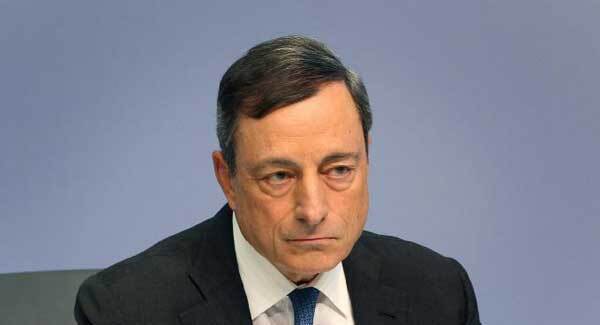
In many ways, for non-financial market participants, meetings of the European Central Bank (ECB) merely serve as confirmation that interest rates will remain low and that mortgage rates, especially for trackers, will continue to be very low by historical standards.
However, for investors, the actions taken by central bankers remain very important to asset markets given renewed questions over the level of global growth and increased concerns since the beginning of the year from issues that include the price of oil to the performance of periphery banks across Europe.
The set-up for the ECB meeting last week was therefore crucial to set the tone for investors and Mr Draghi didn’t disappoint.
Despite the initial euphoria surrounding the increased stimulus measures, markets sold off aggressively once the ECB president noted that he would likely not reduce interest rates further.
While the initial bounce in the markets turned into a significant sell-off, this may very well be short-lived as once again the ECB has stepped up what the institution is willing to do; namely a lot more quantitative easing and further support for banks through cheap access to funds that they can then loan out at an attractive margin.
The calming effect of further monetary stimulus at the ECB could go a long way towards rebuilding investor confidence that has been rattled by one of the worse starts to the year by global equity markets in history.
At their lowest point during the middle of February, the Stoxx 600 Index, a broad measure of European companies, was trading down 18% for the first six weeks of the year.
That sell-off was followed by a 13% bounce, driven by further expectations of monetary stimulus and also a move higher in commodity prices.
While European markets remain firmly lower in 2016, a decline of less than 10% is a material improvement over the depths of investor despair recorded last month.
There are also reasons to be more upbeat about prospects for the remainder of the year.
Entering 2016, there were a number of challenges facing the global economy and which investors panicked at the prospect of being exposed to.
In many cases, these obstacles have actually shown signs of improvement in recent weeks.
Firstly, there were concerns that China would devalue its currency in order to stimulate the economy and that this would export deflation to other parts of the world.
In actual fact, the Chinese currency has been strengthening in recent weeks and is currently trading at its highest levels versus the dollar this year.
The second fear was that oil prices would continue to move lower and that this would have a detrimental impact on a number of Middle Eastern and South American economies, threatening to unleash a wave of currency devaluations and even sovereign defaults.
Oil prices did fall to $28 in January but have since rallied 45% to above $40.
The High Yield Corporate Bond market in the US has also showed a remarkable resurgence in recent weeks.
Having indicated significant stress in the financial system, the index has now rallied to the highest levels since November, helped by the recovery in commodity prices.
Concerns that lingered over the strength of the US economy also rankled with investors during the first two months of 2016 as investors feared that there could be a recession just around the corner.
However, the recent economic data has showed that while the US is certainly not firing on all cylinders, it is moving in the right direction and there continues to be strong underlying growth in areas such as construction spending and the labour market as a whole.
The final area of concern for market participants was the weakness among European financial institutions, particularly banks in periphery countries but in general the sector experienced broad-based selling early in the year.
The actions announced by the ECB last week will provide meaningful advantages for the banking sector going forward and should go a long way towards establishing confidence in the sector — and, thus, should diminish a level of concern that has lingered over markets.
Examining all of the above factors, which have created so much concern and angst for investors so far in 2016, there appears to have been a material improvement in each case and this may prove to be a key ingredient to developing a durable continuation of recent asset market strength.
CONNECT WITH US TODAY



Be the first to know the latest news and updates











