Jury out on low euro exchange rate path despite ECB measures
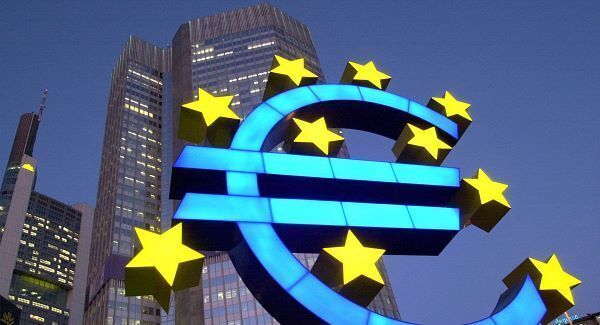
Irish analysts said the ECB’s measures announced by president Mario Draghi on Thursday to boost the eurozone will likely result in borrowing costs staying low for even longer.
The outlook for the euro however, is much more clouded.
Investec Ireland, which had earlier forecast the ECB would be reluctant to raise interest rates before 2019, now believes the period of ultra-low eurozone rates may extend into the 2020s.
But analysts are still working out the implications for stock markets and how investors will make money in a period of rock-bottom rates, said David Lynch, sales trader at IG.
Mr Lynch said that the ECB measures to extend its firepower to acquire bonds and cut interest rates appeared to suggest that the eurozone economy was in a more fragile place than first thought.
“And the ECB is having no effect on inflation and interest rates are going to stay lower for some considerable time,” he said.
The weak euro, particularly against sterling, had done much last year to boost indigenous Irish firms exporting into Britain.
At 70 pence per euro, Irish firms late last year had enjoyed an exceptional price advantage which helped boost their profits.
However, the currency has since strengthened by 10% to over 77p, meaning the currency boost that had propelled many Irish exporters may now have unwound, Mr Lynch said.
Worries about the UK public potentially voting to leave the EU in the referendum on June 23 have weighed on sterling this year.
Meanwhile, expectations last year the Bank of England might increase interest rates — which could have helped boost sterling against the euro — have evaporated.
Yesterday, sterling advanced the most in more than a week against the euro as the ECB’s expansion of monetary stimulus moved its policy further from that of the Bank of England.
Sterling climbed even as a report showed that Britain’s construction output unexpectedly declined in January, adding to signs the economy is losing momentum.
The ECB’s new measures have just entrenched policies designed for crisis times into the next decade.
“It’s hard to see what would happen with the eurozone economy without the ECB being there, and obviously they could do more of the same and then even more of the same,” Carsten Brzeski, chief economist at ING DiBa in Frankfurt said.
The single currency fell on Thursday before rising again as Mr Draghi spoke, as investors were confused by his signals for the future path of rates.
That signal was then reversed a few moments later when he said it was not likely that they would actually need to go lower.
US stocks yesterday rose to join a global rally, poised to erase a weekly decline as investors reassessed stimulus measures in Europe.
“Any aggressive moves to stimulate growth to keep expansion on track is positive,” said Joe Quinlan, chief market strategist at US Trust, Bank of America Private Wealth Management.