Mario Draghi in big market test as ECB fights deflation threat
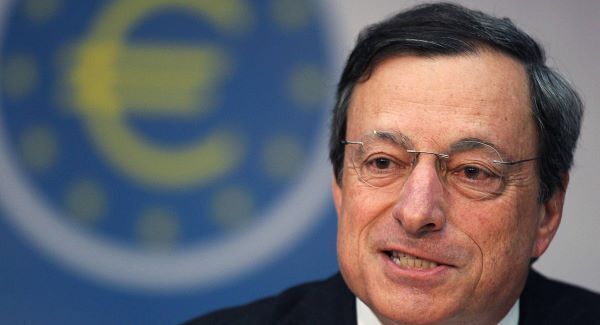
Mario Draghi is about to attempt his 11th round in the ECB’s epic fight against the threat of deflation.

Mario Draghi in big market test as ECB fights deflation threat

The ECB president and his colleagues have unleashed significant stimulus to reignite price growth in the eurozone at 10 of the 47 monetary-policy meetings since he took the helm, only to see the region slapped as recently as last week with a negative inflation rate.

For this week’s decision, economists are nearly unanimous in predicting action, and the good news for Mr Draghi is that most say it’ll be enough.

The results of the poll signal what officials might have to deliver if they want to avoid a repeat of December, when a tweak to stimulus underwhelmed investors and sparked a market sell-off.

Just three months on, with consumer prices falling again and the outlook worsening, the central bank faces a critical test of its credibility.

“Draghi will not want to disappoint markets again,” said Holger Sandte, chief European analyst at Nordea Markets in Copenhagen.

“I struggle to imagine all the conventional and unconventional measures can —one far day — be unwound smoothly.

"But the ECB’s more immediate worry is to prevent the risk of deflation from increasing,” he said.

Nearly three-quarters of the economists surveyed expect the ECB to expand monthly bond purchases on Thursday, and all but one see the deposit rate being cut further below zero.

Among those who foresee quantitative easing being expanded, the median estimate is for an increase to €75bn a month.

The central bank currently buys an average of €60bn a month — data published yesterday showed it spent €62bn last month.

Under the ECB’s pledge to buy debt until at least March 2017, that would add almost €200bn to the €1.5 trillion programme.

The deposit rate will probably be cut by 10 basis points to minus 0.4 percent, the survey showed.

Since he became ECB president in November 2011, Mr Draghi has announced eight interest-rate cuts, two long-term loan programmes for banks, and an asset- purchase programme that has been both expanded and extended, citing the risk of weak price growth.

He’s also introduced forward guidance on rates, eased refinancing operations, and created an emergency bond-buying plan for stressed economies that has never been used.

After all that, inflation is running at minus 0.2%.

More in this section

The Business Hub

Newsletter

News and analysis on business, money and jobs from Munster and beyond by our expert team of business writers.

Cookie Policy Privacy Policy Brand Safety FAQ Help Contact Us Terms and Conditions

© Examiner Echo Group Limited