Intel R&D gets €5.9m in tax credits which is more that it's pre-tax profits
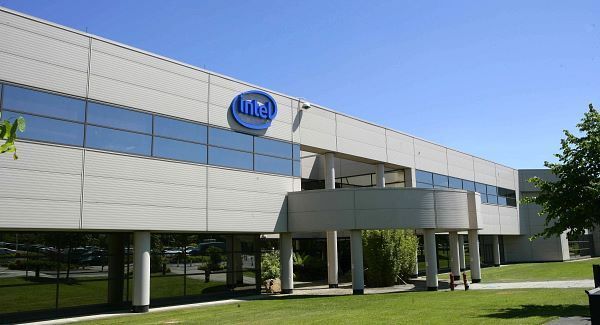
The Irish-based research and development (R&D) arm of chip giant Intel last year made more money from R&D tax credits, totalling $5.9m (€5.54m), than it did in pre-tax profits from its operations here.
Intel R&D gets €5.9m in tax credits which is more that it's pre-tax profits

New accounts filed by the Shannon-based Intel Research and Development Ireland Ltd (IRDI) show that the firm would have been liable to pay Irish corporation tax of $480,242 based on its pre-tax profits of $3.84m.

However, the firm had no corporation tax bill last year and instead received a tax credit of $5.3m following an R&D tax credit of $5.9m.

According to figures from Revenue, R&D tax credits cost the Irish exchequer €421m across all firms in 2013.

The $5.3m received in net tax credits was almost $2m more than the IRDI’s pre-tax profits of $3.84m in 2014.

Taken together with the R&D tax credit last year, the firm more than doubled its pre-tax profit to $9.2m.

Researchers at Intel’s Irish Design Centre in Shannon are engaged in developing the most advanced silicon technology and the accounts show that the firm continued to expand.

Revenues last year increased by 12% from $53.5m to $59.85m.

R&D personnel at Intel’s Shannon base are dealing with nanometres, which is a billionth of a metre, and this gives three thousand electrical devices on the width of a human hair.

Average pay, including pensions and share based payments, was $105,000 for the year.

Numbers employed increased from 216 to 254.

Staff costs included salary costs of $21.29m, share-based payments of $2.6m, and pension costs of $2.79m.

The figures show that 204 of the 254 staff at the firm are involved in R&D.

Fifty people work in management, administration, and marketing.

The accounts show that director Jonathan Walsh, who started the firm in Shannon, resigned from the board on September last year.

In a previous interview recalling the start-up of the firm, Mr Walsh said that the Shannon operation started out in January 2000 in a little incubator unit “with no phone, no furniture, and no computers”.

The start-up was later acquired by Intel.

The accounts show that the firm’s operating profit margin last year fell from 6.1% to 6% “primarily attributable to movements in expenditure that is rechargeable to Intel under the R&D recharge agreement held between the company and Intel Corporation”.

Cost of sales last year rose from $48m to $50.49m, while the company’s administrative expenses increased from $2.1m to $5.7m.

It has $51.59m in shareholder funds and $39.53m in accumulated profits.

x

More in this section

The Business Hub

Newsletter

News and analysis on business, money and jobs from Munster and beyond by our expert team of business writers.

Cookie Policy Privacy Policy Brand Safety FAQ Help Contact Us Terms and Conditions

© Examiner Echo Group Limited







