UK hikes residential property taxes to ease demand for those squeezed out by house prices
Double-digit price rises in London last year and at the start of 2015 have led to criticism that individuals who snap up properties to rent them out have stopped would-be first-time buyers from getting a foot on the property ladder.
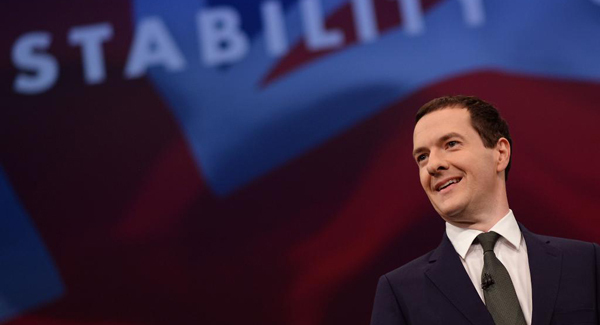
Yesterday, chancellor George Osborne, unveiling a raft of measures to boost revenues and cut spending, said he would introduce an additional 3% on the stamp duty property tax for second homes and buy-to-let properties from April.
“People buying a home to let should not be squeezing out families who can’t afford a home to buy,” he said.
The government will launch a consultation on the proposed changes to the tax, which is paid by the buyer of a property, and will make sure that corporate property development is not affected.
But the chief executive of the Federation of Master Builders questioned whether the extra tax would dissuade investors from buying, instead suggesting tenants could end up footing the bill.
“I think buy-to-let buyers will offset the cost and the danger is that might be passed on in terms of higher rents,” Brian Berry told Reuters.
Stamp duty, which is levied in bands according to the market value of a property, was cut for most people in December, six months before a general election which the ruling Conservatives won with an outright majority.
But earlier this year, the government said that it would restrict the amount of income tax relief landlords could get on residential property mortgages, in a blow to buy-to-let investors.
In his half-yearly budget update, Osborne slightly raised Britain’s budget surplus target for the end of the decade while scrapping a controversial plan to make big savings in one part of the welfare budget.
He also announced he was dropping a plan to make big savings by cutting tax credits for low-earning households, an idea that provoked a rare rebellion in the House of Lords.
Osborne said that due to the improvement in public finances, there was no need to cut the tax credits, which were being phased out as part of a shift towards a new system of welfare payments known as universal credit.
Britain will make £12bn of savings annually from cuts to government departments’ day-to-day spending by the end of the decade as it seeks to return to a budget surplus; and a rate relief scheme for small businesses was extended by another year, which Osborne said would help 600,000 small firms.
CONNECT WITH US TODAY



Be the first to know the latest news and updates











