Opinion: Irish exports to China continue impressive surge
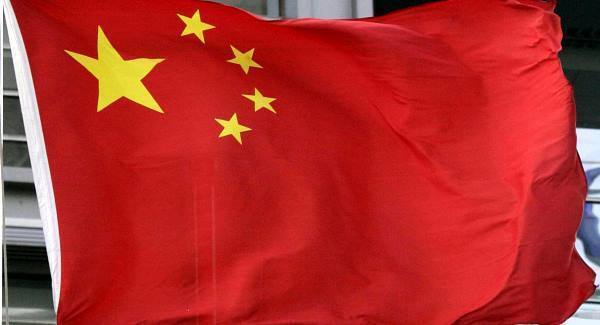
Exports of goods and services from Ireland into the Chinese market continue to show fine growth, with food exports proving a particularly bright spot, despite the gloomy economic commentary from that market.
Manufactured goods exports growth of 5.3% in the year to date was matched by an equal amount of services exports as Irish exporters shrugged off headline economic figures and focused on supplying what they say is continued strong customer demand from China.
Food exports were particularly buoyant, rising by 19% in the year to September assisted in no small measure by China’s new Food Safety Law associated with infant formula, which was issued in April and came into effect at the start of October.
The wording in the food safety law that “the formulations of infant formula should be registered with the Chinese Food and Drugs Administration (CFDA) and companies should provide a formula R&D report and other supporting documents outlining the scientific soundness and safety of the formula” has cleared out many repacking local companies, leaving the market clear for major established overseas branded suppliers such as Abbot, Nestle, Danone and Glanbia, all of whom have major export operations in Ireland.
The lifting of the beef import ban in February also has enabled a strong return to the Chinese market by Irish beef producers. The Chinese market is now the largest for Irish food outside of the EU.
Irish service exports to China are expected to reach €2.7bn this year, outpacing the goods exports which are expected to reach €2.2bn.
China’s services sector expanded 8.6% year on year in the third quarter, matching its strongest growth since 2011.
That is important because, as of a few years ago, services account for a bigger share of the economy than manufacturing industry and shows disposable income for services is still strong.
The elderly Chinese mainland middle class constitutes an increasing force for services sales, according to a series of Hong Trade Development Corporation Research Department reports drawing on focus group discussions with elderly consumers and adult helpers. The value of the so-called silver market is expected to rise from ¥4 trillion (€0.5 trillion) in 2014 to about ¥106 trillion (€15 trillion) in 2050.
Retail sales of consumer goods however, shrugged off some slow demand in Q3, to beat expectations climbing 11% in October, the quickest this year. The so called ‘Singles Day’ on November 10 an online shopping event in China, which Alibaba Group has been promoting, had sales totalling ¥70bn yuan (€10bn) in one day.
Concerns of the recent drop in China’s export performance must be put into perspective; sluggish economic growth in the third quarter in China’s two main markets the US and the EU, inevitably created a reduced demand.
Negative projections arising from any variation in the Chinese headline economic figures is to miss the point, overlooking the very strong global performance of the Chinese economy which in 2015 has grown at five times the rate of Japanese economy which is the third largest global economy, four times the rate of the EU and twice the rate of the largest global economy — the US.
The July to September period might be China’s slowest quarter since early 2009, the nadir of the global financial crisis, but the economy is twice as big now as it was then.
After the recession the Chinese economy bounced back more readily than most and helped anchor the recession while other major economies revved up again.
Savvy Irish exporters have been tapping into the changing China market, but are also aware that the manufacturing base in China is not growing at the rate it did over the past decade, as any commodity producer will testify.
But internal consumer demand is rising and should enable many years of strong import demand for Ireland’s goods and services producers.

CONNECT WITH US TODAY



Be the first to know the latest news and updates