ECB may extend bond-buying programme
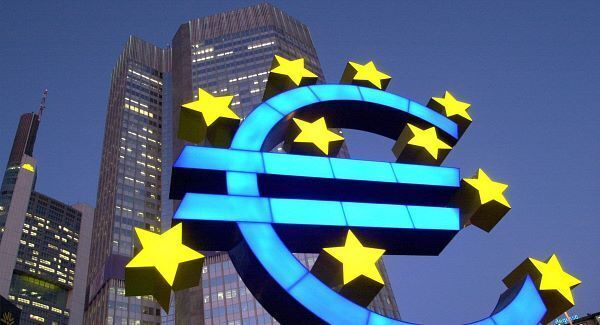
The central bank’s top officials also raised concerns that suggested that it may expand its bond-buying programme.
The comments by the ECB and what it plans to do at its meeting next month are being closely watched by Irish exporters, who have benefited from the huge amounts of quantitative easing pumped into buying eurozone bonds and assets.
Those purchases by the ECB have helped lead to big falls for the euro against the dollar and sterling in the past year.
More quantitative easing expansion may likely keep the euro weaker for longer, boosting the competitiveness of Irish exporters at a time when the dollar and sterling is gaining support amid anticipation that the US, and possibly the UK, will start raising interest rates.
Consumer prices in the eurozone fell 0.1% in September and were flat in October, despite the €60b a month asset-purchase programme that the ECB launched in March with the aim of reviving inflation.
The ECB is considering fresh policy steps, possibly including a cut to its deposit rate, and is set to make a decision on the matter at its next meeting in early December, the bank said at its October meeting.
The euro has lost ground against the dollar since the announcement, with prospects of a US rate rise next month also weighing on the common currency.
ECB vice president Vitor Constancio said yesterday surveys showed confidence was waning that the ECB could get inflation close to its target of 2% annually.
Mr Constancio’s comments are significant because they refer to the threat of an evaporation of trust in the ECB to keep the economy on track.
President Mario Draghi also warned about the risk to price stability, essentially expressing the same concern and showing willingness to examine ways to intensify its programme that includes money printing to buy bonds.
Mr Draghi has already signalled possible action to further loosen the supply of money when central bank policy setters meet on December 3.
Speaking in Milan, Mr Draghi also addressed the risk that a weakening global economy “hamper a return to price stability in the medium term”.
Meanwhile, the Bank of England gave no sign that it was preparing for a rate rise soon, saying yesterday that Britain’s near-zero inflation would pick up only slowly even if borrowing costs stay on hold throughout next year.
Governor Mark Carney, who had previously said a decision on whether to raise rates would come into sharper focus around the end of this year, was vaguer this time. He said simply that the Bank of England would move when the time was right.
Sterling fell sharply after the bank’s announcement, which surprised investors who had expected a clearer signal that a rate hike was approaching and contrasted it with the tone of the US Federal Reserve. Its chair Janet Yellen said yesterday that a US rate rise was a prospect for December.
Mr Carney said he did not regret saying a rate decision would become clearer around the turn of the year.