Mario Draghi backed to expand stimulus
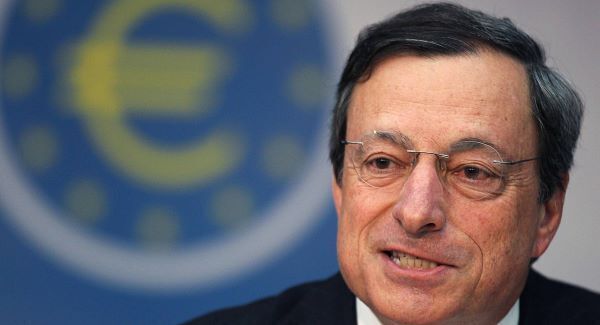
More than two thirds of respondents in a Bloomberg survey predict the ECB’s president will expand or extend the €1.14trn quantitative-easing programme, and almost all of those say he will do so within nine months.
While an increasing number of respondents see the economy improving for now, they are also fretting that the upturn will not last long.


Read

Listen

Watch

Play
CONNECT WITH US TODAY



Be the first to know the latest news and updates







The Business Hub
Newsletter

News and analysis on business, money and jobs from Munster and beyond by our expert team of business writers.
Business
Push Notifications
By clicking on sign up you will be the first to know about a selection of business content on this browser. Please note if you are unable to sign up via your mobile web browser, download and sign up for mobile push notifications via our FREE news app.
Sign Up

The Business Hub
Newsletter
News and analysis on business, money and jobs from Munster and beyond by our expert team of business writers.

Lunchtime News
Newsletter
Get a lunch briefing straight to your inbox at noon daily. Also be the first to know with our occasional Breaking News emails.
Most Read
Wednesday, September 30, 2026 - 9:00 PM
Wednesday, September 30, 2026 - 10:00 PM
Wednesday, September 30, 2026 - 6:00 PM