Eurozone at risk of repeated crises: ECB
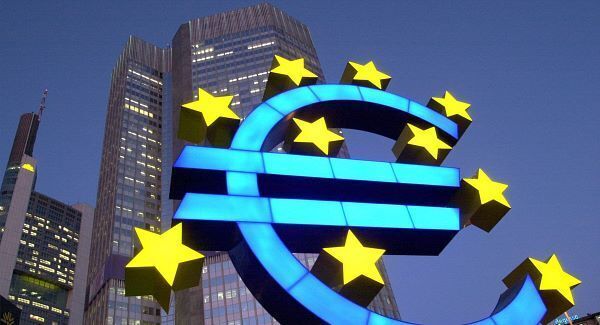
Kicking out a euro member would raise questions about which country is the next one to fall, destabilising the entire bloc, so the euro has to be irreversible, ECB executive board member Benoit Coeure said Before Greece was bailed out this month.
It was nearly ejected from the bloc.
Some, including Germany’s finance minister, advocated a “temporary” exit, a proposal rejected by the central bank.
ECB president Mario Draghi has repeatedly said the euro was irreversible.
Greece’s brush with ejection shook confidence in that commitment and the ECB’s ability to hold the bloc together.
“The exit of a member country would, inevitably, lead economic actors to wonder who would be next, with all the potential destabilising effects that such speculation could entail,” Coeure told a meeting of French diplomats in Paris.
“The genie will not be put back in its bottle once and for all until it is clear that such a risk will not rear its head again,” he said.
Coeure said endless political negotiations, particularly about redistribution, polarises the debate on the national level and does not facilitate the establishment of a broader growth strategy.
“Maintaining this approach would condemn us to a future of low growth and repeated crises,” he said.
Coeure also warned that monetary policy cannot support lasting growth and excessive demands on the central bank could damage the effectiveness and the legitimacy of eurozone governance.












