Japanese economy shrinks as exports fall
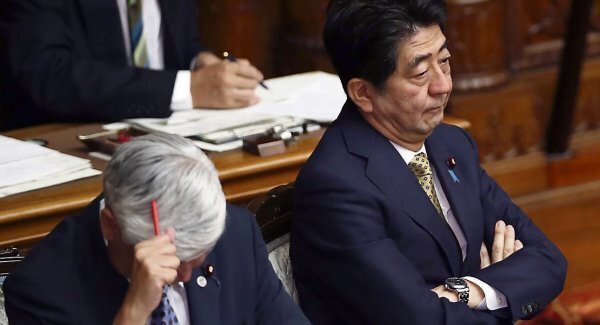
China’s economic slowdown and its impact on its Asian neighbours has also heightened the chance that any rebound in growth in July-September will be modest, analysts say. The gloomy data adds to signs that Japan’s economy is at a standstill and raises pressure on policymakers to offer additional monetary or fiscal stimulus later this year.
The contraction in GDP compared with a median market forecast of a 1.9% fall and followed a revised expansion of 4.5% in the first quarter, Cabinet Office data showed yesterday.
“If weak private consumption persists, that would be a further blow to Abe’s administration, which is facing falling support rates ahead of next year’s Upper House election,” said Hiromichi Shirakawa, chief Japan economist at Credit Suisse. “This could raise chances of additional fiscal stimulus.”
Private consumption, which makes up roughly 60% of economic activity, fell 0.8% from the previous quarter, double the pace expected by analysts. It was the first decline since April-June 2014, when a sales tax rise hit consumption, as households spent less on air conditioners, clothing and personal computers.
Overseas demand shaved 0.3% off growth as exports to Asia and the US slumped. The data looks likely to force the central bank, the Bank of Japan, to cut its forecast of a 1.5% economic expansion for the current fiscal year when it reviews its long-term projections in October.
However, the weak consumption underscores a dilemma the central bank faces that may discourage it to expand stimulus. Economics minister Akira Amari acknowledged that consumption may have been hit by rising food prices, as the Bank of Japan’s easing weakened the yen and pushed up import costs.
Aides close to Mr Abe have signalled that additional monetary easing is unwelcome as further yen falls will push up food costs further and hurt consumption.
That puts the onus of the government to underpin growth despite diminishing returns. Japan’s economy grew just 2% since Mr Abe took office in December 2012, even as he deployed fiscal stimulus roughly equal to 3% of GDP.
“The effect of Abenomics hasn’t expired, but the policy steps haven’t boosted wages enough to meet rising living costs,” said Yuichiro Nagai, an economist at Barclays Capital Japan.
“There’s not much the Bank of Japan can do, so there’s a higher chance the government may offer fiscal support if consumption fails to rebound in July-September.”
Reuters












