Oil prices could dip lower before marginal recovery
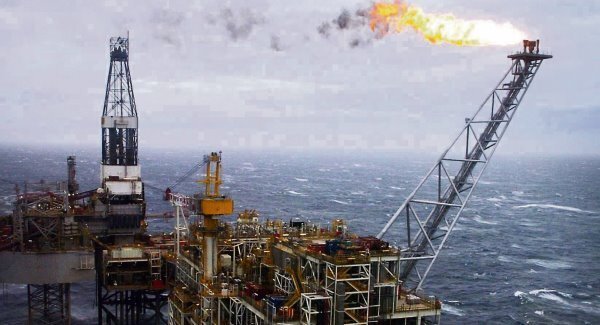
Fast-forward by eight months, and the latest Opec monthly report appears to suggest that their squeeze on non-member countries is taking longer than expected to bite. Crude is trading at essentially the same level as the turn of the year and oil analysts are busy marking down their forecasts.
So, how did this âbest-laid planâ go awry, and where is the oil price headed for the rest of 2015?
As any Leaving Cert student could tell you, price is a function of supply and demand â the oil market is no different. On the supply side, Opec has presided over a rise in inventories.
The accord struck with Iran over the nuclear dispute will ultimately lead to the lifting of sanctions and increased capacity for the fourth largest producer, heralding future swelling of supply with an increased output to 3.6m barrels per day.
The impact of this development has seen a softening of prices along the curve. Levels of non-Opec production have been surprisingly resilient, particularly in the US. While the initial reaction to the Opec strategy was for rig count to fall sharply as prices persisted below $50/barrel, this paring back of activity was focused on the shale gas sector â many of the operators undertook debt on the basis of $100/barrel oil prices.
Gradually, the influential Baker Hughes rig count has posted positive numbers and while shale gas continues to languish, offshore activity â principally in the Gulf of Mexico â is increasing.
Output in the US Gulf will also benefit from a benign hurricane season with the US Hurricane Centre predicting a 90% chance of lower-than-average activity, a function of the influence of the Pacific El Niño system that typically hinders hurricane formation.
Against the supply glut of oil, demand remains lacklustre. The US and Chinese economies are pivotal, as major consumers.
The recovery in the US is continuing, though the pace of activity suffered a temporary setback in the first quarter.
In China, growth is slipping away from heady annual rates in excess of 9% as it transitions to a new economic model. Patchy â and not always transparent â data releases point to growth slowing to around 7%.
Devaluation of the Chinese Yuan â a stimulus â will not help the Chinese oil demand since it has the effect of making dollar-based commodities (including oil) more expensive.
Another interesting factor which has, unusually this year, failed to add significantly to upward momentum is Middle East geopolitical risk.
While the unravelling of the Yemeni government caused a price spike (for fears that oil transportation would be interrupted), the impact was short-lived.
Similarly, news that the main Libyan terminal had closed caused market jitters but again, this proved transitory.
At the start of the year, commentators raised the prospect of Islamic State threatening the oilfields in southern Iraq. While the caliphate has gained ground, their focus at present is to the western region of Syria/Iraq, obviating the threat to global oil supply.
The remainder of 2015 promises to be as intriguing as the start of the year.
The International Energy Agency has forecast that demand growth will continue to recover into 2016, but cautioned that the supply overhang will remain a feature of market dynamics for some time to come.
Paul Harris is head of Natural Resources Risk Management at Bank of Ireland Global Markets











