AIB’s new boss to face pay demands
AIB faces mounting pay demands from its staff and a headache over shaping long-term incentives for its senior bosses as the Government prepares the bank for sale next year, experts have said.

AIB’s new boss to face pay demands

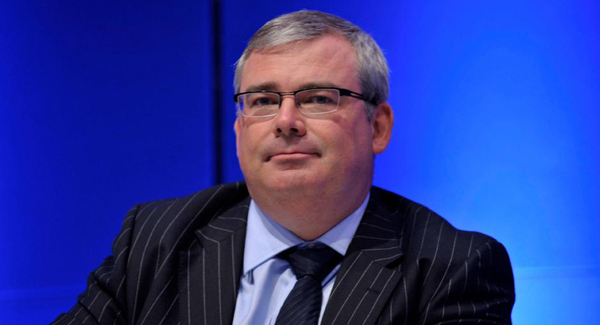
The bank confirmed yesterday it had appointed Bernard Byrne as its new chief executive. Mr Byrne, 47, joined the bank five years ago from ESB, as the Government prepares to nationalise the lender.

He is currently AIB’s director of retail and business banking.

He replaces David Duffy who earlier this year announced his plans to join Clydesdale Bank, the Glasgow-based lender owned by National Australia Bank.

Larry Broderick, general secretary of the Irish Bank Officials’ Association, welcomed the appointment, but said the union would immediately press its demands for pay at the bank.

“One of the most pressing issues of concern to staff at this time is the need for a fair and transparent approach to pay, now that AIB’s return to profitability has been consolidated,” Mr Broderick said.

“The vacuum in the bank’s leadership team may have been a factor. With that situation now remedied, that has removed one of the potential barriers that might impede the process.”

Experts said the Government and AIB will soon have to deal with the issues of establishing long-term incentives for Mr Byrne and other senior executives at the bank.

Like his predecessor, the pay of Mr Byrne is capped by its Government owner at €500,000. However, the Government will have to establish rules over share-based incentives for the top bosses as part of its plans to sell shares in the lender, probably next year.

Including a €1.6bn contingent convertible debt note, AIB is currently valued at €13.3bn.

Meanwhile, Royal Bank of Scotland, the owner of Ulster Bank, yesterday took further steps to prepare for a sale of its shares. The UK government rescued the bank at the height of the financial crisis and, with the Westminster election, out of the way it now wants to sell part of its huge 80% stake in the lender.

RBS boss Ross McEwan has faced unstinting scrutiny over his pay. Earlier this year he surrendered £1m (€1.4m) in a so-called role-based allowance or top-up payment.

RBS has put in place controls over long-term pay and stock incentives for Mr McEwan and other executive directors.

Variable pay is set to “award long-term performance” while the bank allows five years to build up share levels — set at 250% of the pay for the chief executive and 125% of the pay of the chief financial officer.

RBS, which was also rocked by the Libor market and foreign exchange scandals, also applies “Malus and claw back” clauses to staff contracts “to reduce, if appropriate, to zero” variable pay awards for current and former employees.

x

More in this section

The Business Hub

Newsletter

News and analysis on business, money and jobs from Munster and beyond by our expert team of business writers.

Cookie Policy Privacy Policy Brand Safety FAQ Help Contact Us Terms and Conditions

© Examiner Echo Group Limited









