Ireland gets ready for deregulation
However, elsewhere in the EU, many farmers are less sanguine, fearing their liberation from 30 years of milk production quotas will only expose them to a new world of competition and an increase in already sharp price volatility.
On April 1, farmers will, for the first time since 1984, have no legal restrictions on the amount of milk they can produce.
The EU is hoping the reform, one of the biggest in a generation, will unlock markets in Asia and South America, currently supplied by rivals such as New Zealand and the US.
Plans for expansion are under way on individual farms. Bill O’Keeffe, a 36-year-old farmer from Ireland’s southeast, said he wanted to double his herd to 320 cows in a year. In the 1990s his family had to pay more than €50,000 to buy the quotas to go from 120 cows to 160.
People working with farmers in other areas said many were waiting to see what the real impact will be, at least in the short to medium term.
“Some farmers see April 1 as liberation day, but others fear it,” said Frans Keurentjes, a board member of Dutch dairy co-operative Friesland Campina. “The rollercoaster is coming and we will probably have to get used to that.”
Average prices in the EU fell by 19% last year, nudged down by increasing production, less stockpiling of dried milk in China and a Russian import ban.
Ireland’s plans to boost milk production by 50% by the end of the decade are by far the most ambitious in the bloc, with other member nations seeing growth under 20% and forecasts for the EU as a whole in the single digits.
Rabobank sees an increase of 7%-8% by 2020, with impact on prices heavily dependent on how fast the new production comes online. “The long-term trend is upward, but the journey is going to be very, very bumpy,” said analyst Matthew Johnson.
Farmers groups say producers in mountainous areas and in the far north and south fear they will struggle to deal with increased competition from large farms in more temperate areas.
The scrapping of quotas “makes us scared”, said Albert Martin, 54, who keeps 48 cows in the Isere region of the French Alps. “I still have hope. I think in a few years milk will pay better than it does today.”
Lobby group the European Milk Board says the new system will increase the likelihood of sharp price falls that force farmers out of business and is calling for a system of emergency production restrictions to be prepared in case of a price collapse.
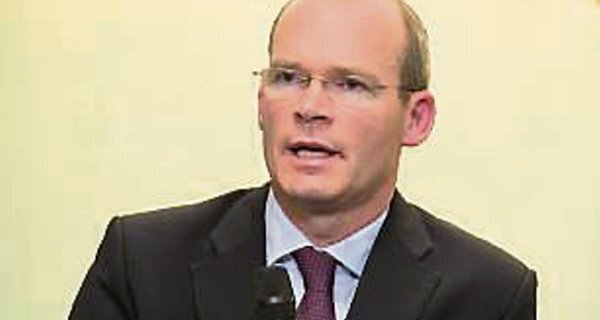
Agriculture Minister Simon Coveney said virtually all the extra production would go to international markets, as he attended the opening of a €185m plant by Glanbia Ingredients Ireland that can pump out almost 300 tonnes of dried milk each day.
The competition European farmers need to worry about was not from inside the continent, but from producers like New Zealand, which has quadrupled production since Europe brought in quotas, he said.
“We have been in a strait-jacket since 1984,” Mr Coveney said. “We have to prepare for volatility, which is a reality whether we like it or not.”
Reuters