Showdown likely as Germany rejects Greek loan extension
The request from Greece for a six-month extension, carefully couched in language the new left-wing government could accept, was swiftly met with a ‘no’ from Berlin, where representatives referred to it as a ‘Trojan horse’.
Discussions between technical experts — mainly on the phone from their capitals — went on all afternoon before finance ministers meet today.
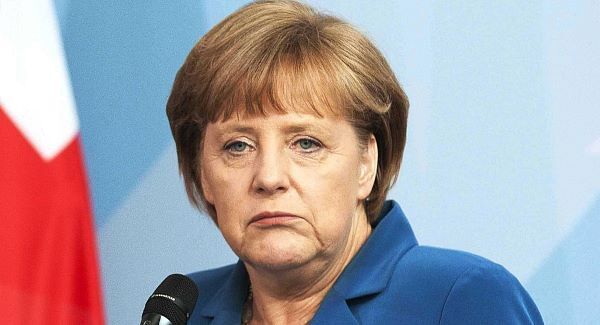
Greek prime minister Alexis Tsipras was reported to have held a 50-minute phone conversation with German chancellor Angela Merkel yesterday while Italian premier Matteo Renzi was also said to have spoken to Mr Tsipras.
A leak of notes apparently from the German delegation said the letter was not in line with the last Eurogroup position, “It rather represents a Trojan horse, intending to get bridge financing and in substance putting an end to the current programme.”
It said rather than drafting a Eurogroup statement for today the experts should “examine and say whether given the fiscal position the current programme can be completed with a sufficient primary surplus and an assured debt sustainability”.
They want a commitment from Greece that they will apply to extend the programme and that they “will agree with the institutions any changes in measures from the existing MoU”.
It demands that Greece stop rolling back the programme measures, including the announced labour and social reforms it said will be voted in Parliament today.
If there is to be any negotiation, it appears Greece will be limited to possibly being allowed to lower the primary surplus of 4.5% that is being demanded for a third year, but senior sources said the 1.5% Athens was anxious to achieve was not possible.
It also appeared, according to reports, that Germany wanted to end the €10bn assistance programme to recapitalise domestic banks, which Athens wants to keep.
The letter from finance minister Yanis Varoufakis also asked to begin work on a possible new contract for recovery and growth, under the supervision of the EU, ECB and IMF.
Berlin’s response was swift, with Martin Jaeger, for the finance ministry, saying, “The letter from Athens is not a proposal that leads to a substantial solution. In truth it goes in the direction of a bridge financing, without fulfilling the demands of the programme”.
This was met with anger by Greece’s deputy prime minister, Yiannis Dragasakis, who tweeted that “There are forces that want Greece on its knees in order to impose their will”.


CONNECT WITH US TODAY



Be the first to know the latest news and updates