Students virtually over the moon
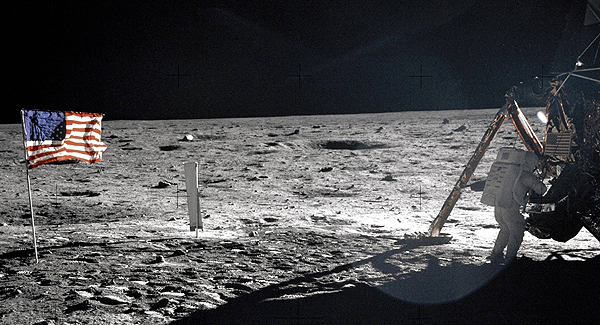
The Apollo 11 Experience software is just a small taste of things to come for the company which is preparing to enter the virtual reality space just as it goes Nova.
“Virtual reality headsets are going on sale at the end of this year which will cost just €300. Up until now headsets have cost over €50,000. Once virtual reality becomes affordable, the market will explode,’’ says company founder David Whelan.

In anticipation of this, he set up Immersive VR Education last year to develop a range of software products which can be used by schools and colleges to provide students with a whole new learning experience.
The expectation is virtual reality will revolutionise education globally. Mr Whelan says it can be used to allow students to visualise abstract concepts, travel to faraway places, experience historical events and more.
“You can use virtual reality to listen to Einstein explain his theories or you can accompany Neil Armstrong to the moon,” he says. He believes virtual reality will bring huge benefits to education.
“Research shows students remember 10% of what they read, 30% of what they hear but 90% of what they experience,” he says..
This month, Immersive VR combined the demonstration of the Apollo Experience prototype in a New Ross school with the launch of a kickstarter fundraising campaign on the web.
Aiming to raise €30,000, the company is offering to sell the digital Apollo Experience for €10. Within five days it had raised €7,900 from 400 backers. Since setting up last year, Immersive VR Education has used two Silicon Valley developers to work on three prototypes including the Apollo Experience.
Now the company plans to use the funds raised to hire two developers, and set up a studio in Waterford and work on virtual reality software products for the education market in Europe and the US.
A web developer with an interest in virtual reality, Mr Whelan paid €300 for a virtual reality headset on a kickstarter campaign in 2012 run by US company Oculus Rift which is now launching the €300 headsets. Getting this headset kit last year allowed Mr Whelan to start planning his new venture.
“A lot was being done in video games and entertainment products but not much for education. I decided to fill the gap,” he says.
Mr Whelan plans to set up the new studio in two months. He says it is difficult to find virtual reality developers in Ireland so he is looking for game developers who could train with the US- based developers.
“We now have three proto- type products: the Apollo 11 Experience which uses NASA archive footage and audio and we have also developed Virtual Lectures which allows us to recreate any historic lecture or record any current one,’’ he says.
By September next year, Immerse VR Education plans to be selling a range of products to schools and colleges. In the long term, Mr Whelan wants to establish Immersive VR Education as the go-to company for educational VR software.l
For now, the search for backers on Kickstarter continues. Most have opted to spend €10 for the software but a few have paid €150 for the Moonwalker package, which also buys a T-shirt and the right to put a digital polaroid in a crater on the company’s digital moon
Immersive VR Education
Arclabs, Waterford
2014.
David and Sandra Whelan.
Virtual reality software for education. Website: www.immersivervreducation.com