Oil prices will drop until producers scale back
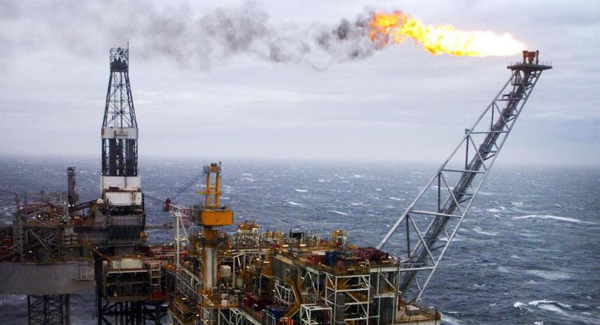
Oil prices have halved since last June to near six-year lows as economic growth stutters, and analysts say a building supply glut means prices are set to fall further before any rebound.
On the supply side, downward pressure on oil has come from a boom in US shale oil output and, more recently, by Opec’s decision not to cut output in support of prices, and instead try to defend market share against north American shale by offering discounts.
“The risks to oil prices remain skewed to the downside in the near term,” ANZ Bank said yesterday. “(US) shale producers won’t start feeling the pinch for another six months. In addition, there is the prospect of further supply increases from highly stressed Opec members such as Libya, Nigeria and Venezuela, which could place further downward pressure on prices.”
There’s also more oil in the system as slowing economies are using less and as energy efficiency improves.
In Asia, Japan is battling recession, while in China, the commodity boom driver in recent years, demand is slowing as the world’s second-biggest economy shifts from energy-intensive construction to consumer-fuelled growth.
Citi this week predicted China’s crude oil imports would grow more slowly this year, adding that “anyone hoping for China to drive a rebound in oil prices is likely to be disappointed.”
Adding to the slack in Asia is that Europe has yet to recover from its post-credit crunch crisis in 2008 to 2009.
Another drag on oil comes from the dollar. With the US Federal Reserve expected to raise interest rates this year for the first time since 2006, supported by healthy growth, the dollar is likely to keep strengthening, putting more pressure on oil markets as European and Asian currencies fall.
While the immediate outlook for oil remains weak, analysts say cheaper fuel costs for households and businesses should at some point support demand, especially in manufacturing-led economies.
“The collapse in oil prices looks set to wipe out the Gulf’s external surpluses next year, leaving China and the eurozone as the world’s major surplus economies,” Capital Economics said in December.
Citi said lower oil prices could save China more than 1% of GDP on imports, helping boost consumption.
In Japan, cheaper fuel costs will not only benefit large industry, but also help reduce an enormous deficit, triggered in part by soaring fuel imports following the shutdown of its nuclear power plants after the 2011 Fukushima reactor meltdown.“Growth prospects have improved as lower oil prices will allow households and businesses to increase spending and the central bank to loosen monetary policy,” research firm PIRA Energy said.
Analysts say oil prices will bottom out and start to rise again — part of the so-called commodity supercycle — once some producers scale back production to adjust to falling prices and major manufacturing centres begin to feel the economic benefits of cheaper energy and again start using more.
CONNECT WITH US TODAY



Be the first to know the latest news and updates