Fiat stuck in the slow lane with retro 500 brand
Following the full takeover of US unit Chrysler, the newly named Fiat Chrysler Automobiles has set out an ambitious growth plan focused on its upmarket Alfa Romeo, Maserati, and Jeep brands.
Analysts say it makes sense to concentrate on higher-margin premium vehicles that are selling strongly in the US and emerging markets, but are concerned the group is neglecting a Fiat brand which still accounts for a large chunk of sales.
Fiat Chrysler Automobiles sold 1.5m Fiats last year, with deliveries of the mass-market brand accounting for 34% of the group total.
The 500X debuting in Paris should help lift sales by adding to the popular mini-SUV category. However, the crossover car is unlikely to significantly change the face of Fiat’s core brand, starved of models and stuck with an ageing line-up.
“The 500 is getting older and older, the success of its variants has been limited, and they lack a competitive offering at a time when Volkswagen, Peugeot, and Renault continue to launch new cars,” said Sascha Gommel, an analyst at Commerzbank.
“Even if the European recovery was gaining momentum, Fiat would definitely lose out.”
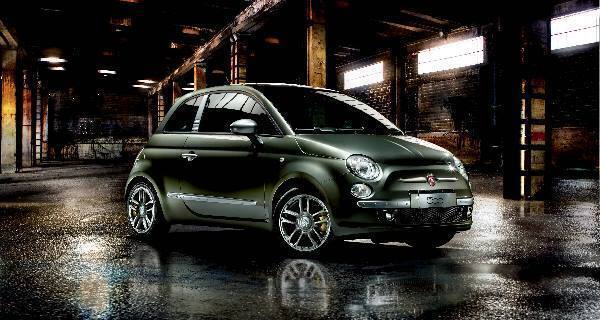
Chief executive Sergio Marchionne struck gold in 2007 when he chose the 500 hatchback to revive the flagging Fiat marque, selling more than a million in the six years after relaunch.
Sold in more than 100 countries, the Fiat 500 was meant to be Marchionne’s answer to BMW’s Mini and drive sales of other models within the Fiat family.
However, a strategy that got off to a promising start hit a few bumps in the road, not least an economic crisis that pushed car sales in Europe into a six-year slump.
Fiat dealers say the 500 revamp has failed to rub off on other cars within the brand, some of which are looking tired. Fiat’s Punto hatchback is already nine years old.
“Mini did the classic rollout of keeping sales steady over the years by slowly and steadily introducing product variations, but Fiat is not that disciplined,” said Jane Nakagawa, of Portia Consulting. “To the average consumer, the variations they have come out with were relatively invisible.”

CONNECT WITH US TODAY



Be the first to know the latest news and updates