EU watchdog bids to block officials selling skills to private sector
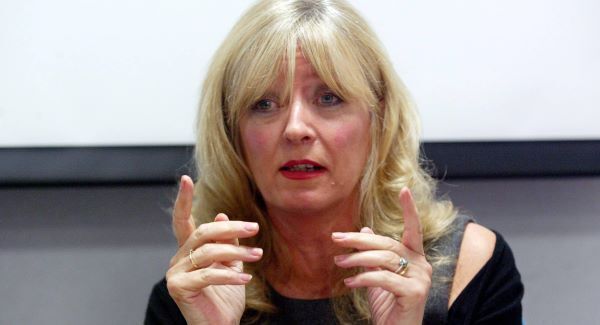
She warned that international experience of this revolving-door phenomena had shown that senior staff could become corrupted and citizens’ trust lost — as a result, it was important to ensure this did not happen in Brussels.
An investigation by her office following complaints from a number of organisations found that while rules had improved, much more needed to be done to make them more robust.
Directors and general directors — the highest officials in the European Commission — are supposed not to work for the private sector for at least two years after retiring in any area in which they had worked during the last three years in the EU.
They should not lobby their former colleagues for 12 months, while anybody coming into the EU institutions must be investigated to ensure they had no personal interests that might impair their independence.
Those taking leave or retiring may ask permission if they wish to take up a job within the two-year period and have their request considered.
The ombudsman’s office investigated 54 such cases and found that the process needed to be made more transparent and tightened up. For example, they found in a few cases that friends and former colleagues had been involved in the process of saying if the new post would represent a conflict of interest.
As well as adopting a new template on which to base future decisions, she also wants all movements by retiring civil servants to be placed on a website where it can be viewed by the public — in a system similar to that used by the British government.
“There is a lack of transparency. It is very important that civil society becomes an actor and if the Commission puts out more information, especially in relation to where senior officials are going, civil society can monitor this, and as citizens are supposed to be such a vital part of the architecture of the EU, this is an opportunity to make this a reality,” she said.
She believed that any questions about protecting the data of the individual was trumped by the public interest needs.
“I will step up my work proactively looking at how the Commission behaves, looking at files and the reasoning, and if I feel there is not sufficient information or reasoning, I will call officials before me to say on what basis they allowed officials to go into the private sector.”
The ombudsman also said she believed that similar measures to minimise conflict of interest should be adopted for less senior staff and also for European Commissioners, most of whom leave their positions after five years and receive a salary in recognition of the fact that they are expected to stay out of the labour market for some time.
Ms O’Reilly who is completing her first year in office, said that while she could not direct any of the EU bodies that she has responsibility for to do anything, she had full investigatory powers to see any and all documents — and she could summon officials to question them about their actions.
Anybody is entitled to make a complaint to the Ombudsman about maladministration within the EU institutions. Last year, the office received more than 23,300 complaints, and opened 350 inquiries.
They included journalists being refused documents on Greece’s entry to the eurozone and the composition and transparency of the European Banking Agency.

CONNECT WITH US TODAY



Be the first to know the latest news and updates