BoE keeps rates on hold at 0.5% as risks remain
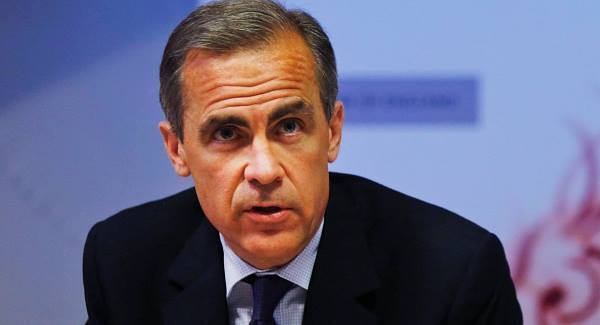
The BoE’s Monetary Policy Committee (MPC) left its bank rate at 0.5%, where it has been since the depths of the financial crisis over five years ago.
Investors will have to wait almost two weeks to find out if any more policymakers voted in favour of raising interest rates, after two of the nine MPC members broke ranks in August.
The BoE last month said it was watching for signs of pay growth, which has been very weak, as it considers the best time to start weaning the British economy off low rates.
“A number of question marks surround the timing of the first move,” said Philip Shaw, chief economist at Investec.
“Much will depend on the dynamics of the incoming data and whether the woes in the eurozone begin to have a more significant impact on domestic activity.”
Sterling fell slightly after the BoE decision, hitting a new seven-month low against the dollar, while British government bond futures also fell modestly — suggesting at least some investors are starting to bet on an early rate hike.
With UK economic growth set to reach more than 3% this year, economists polled by Reuters expect the BoE to raise interest rates in early 2015 — probably ahead of the US Federal Reserve.
Activity in the services sector that dominates Britain’s economy grew at the fastest pace in a year in August, a survey showed this week, suggesting no let-up in the pace of economic recovery going into the final months of the year.
But waning growth in manufacturing added to a sense that the recovery — while strong — is still too reliant on Britain’s big-spending consumers rather than business investment or exports.
Scotland’s independence referendum could deliver the most immediate shock to the economy — a poll this week showed support for independence at its highest ever level, putting the outcome of the vote in doubt. Goldman Sachs said on Wednesday that a vote for independence would have “serious consequences” for the Scottish and UK economies.