Commission says no leeway on budget
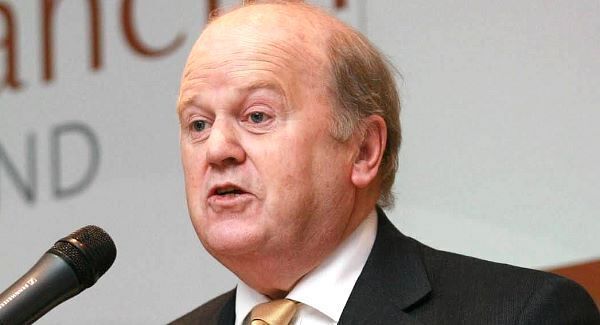
This is contrary to what Finance Minister Michael Noonan believes, and could set the country on a collision course with Brussels when the draft budget is produced in October.
The country’s huge debt, that reached more than 120% of GDP, can only be reduced if the fiscal adjustment continues, the report warns, noting that the Government is coming under political pressure on the budget.
And while the Government has met all its targets to reduce the deficit, the debt remains the most vulnerable to fiscal shocks, it says.
The report is the first since the Troika finished up and the first of twice yearly reports that will study the country’s finances until 75% of the €67bn loans are paid off in 2031.
It was carried out by the European Commission with the ECB while the IMF and the ESM carried out their inspections at the same time last month, but will produce separate reports.
The Commission emphasis on consolidation of €2.1bn is in line with the Fiscal Council and the ESRI, but contradicts Mr Noonan, who just last week said anecdotal and soft data suggests the total sum required will be less.
If the draft budget, due to be lodged with the Commission in October, provides for less than what they believe is needed to reach the target of cutting the deficit to under 3% next year, the Commission could take action.
This would be in the form of a recommendation to the European Council to insist on the adjustments to the budget for 2015. If in April 2016 the official Eurostat figures showed that the 2.9% deficit was not met, then the country would face penalties.
However, while the official figures for Ireland and the other countries will not be made public until November, the Commission says they assess the situation on an on-going basis and that their judgement on the draft budget will be based on the most up-to-date figures.
The Commission acknowledges that signals from the labour market have been positive but they still need to see an improvement on GDP and note that the economy is very dependent on the external environment.
The report notes the risk of the country’s loans not being paid are low — provided the policy plans are implemented and access to credit markets maintained.
The issue of main concern is the high stock of non-performing loans of all monetary and financial institutions but the first signs of improvement in mortgage loans have been visible since the end of last year, which the report says is the first encouraging sign.
It notes the high level of private debt at 320% of GDP but says that this figure includes non financial corporations and that there has been an increase in mainly multinationals that finance themselves through different channels. While the debt of private householders is high, it has declined significantly.
The financial sector continues to recover, while non-performing loans resolution proceeds. Loan restructuring continues but at a slow pace while it predicts that the sale of over 90% of IBRC’s assets and the strong demand for commercial real estate may accelerate the wind-down of Nama.

CONNECT WITH US TODAY



Be the first to know the latest news and updates