Risk of major oil price surge
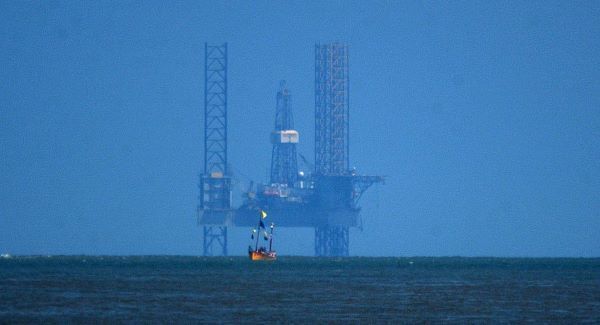
Oil prices neared nine- month highs late last week, tipping $115 (€85) a barrel, and the rapid advance of militants in Iraq, the second largest OPEC producer, is destabilising oil markets.
That has implications for inflation in the US and Europe, as well as Asia’s export-orientated economies that are large net importers of oil.
Investors will be watching a range of data — from German and Japanese consumer prices, to first quarter US GDP — to see how the Federal Reserve, the ECB, the Bank of England, and the Bank of Japan respond.
“Just as oil prices had become increasingly stable, we reckon the risk for an oil price spike is now the highest since the global crisis,” said Christian Keller, an economist at Barclays.
“We think a further price spike of 10%-15% from here is not implausible,” he said.
Until now, falling energy prices have partly been responsible for the eurozone’s low level of consumer price inflation, which the ECB considers to be in its “danger zone”. A rise in the inflation rate would be welcome, but economists and the IMF believe the ECB still needs to consider US-style money printing to support the bloc.
Eurozone sentiment readings and preliminary purchasing managers’ surveys for June may give the ECB a sense of how much more help the eurozone economy needs.
Germany’s inflation reading, on Friday, will give a taste of the eurozone-wide reading that is due the following week. EU leaders will discuss economic policy at a summit on Thursday and Friday in Brussels.
“Although higher near- term inflation may reduce the likelihood of more ECB easing in the short-term, lower economic growth and core inflation down the line would, in fact, support the case for further policy accommodation at a later date,” Luigi Speranza and Gizem Kara of BNP Paribas said in a note.
— Reuters












