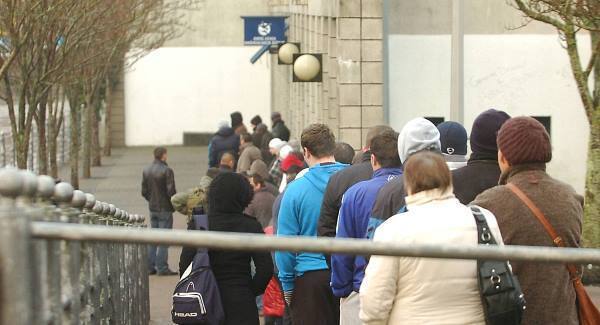
Recovery remains ‘job-poor’
BusinessEurope, the umbrella body of which Ibec is a member, has increased slightly its forecast for growth this year and next and predicts inflation will not rise above 2% other than in poorer eastern European economies.
Over the past five years the cost of labour has dropped by more than 8% in Ireland, exceeded only by Greece where it is down by 10%, according to figures released by BusinessEurope.
The jobless rate was expected to reduce to 11.2% in the eurozone next year but remains at around 24% in Greece and Spain, with Austria and Germany lowest at just less than 5% and Ireland at 9.6%.
Part of the reason is that unemployment does not pick up for at least nine months after a general pick-up in the economy and some firms had not laid off workers during the crisis.
But there can be no let-up on this downward trend, the body warns, and the EU must ensure that structural reforms are carried out and that all policies are tested to ensure they maintain competitiveness.
They want to see governments reduce tax on labour — similar to that promised by the Irish Government — and no increase in spending or in taxes on business such as the financial transaction tax.
Instead they believe any tax increases should be on domestic property since it is one of the only assets that cannot be moved and will not affect business profits.
They quote an IMF study in support of their belief that taxing real estate was the best option. Unwelcome taxes on capital and investment could result in them moving, as also can workers. But the body does not believe taxing commercial buildings is wise.
The ideal balance would see a tax-take of no more than 44% of GDP according to Annika Lundius, chair of the body’s economic and financial affairs committee.