Opel targets No 2 spot in Europe
âWeâre working on the biggest comeback story in the European auto industry,â Karl-Thomas Neumann, Opel chief executive, said in a speech at the manufacturerâs plant in Eisenach, Germany. âWeâve set ourselves clear goals. We want to profitably become the No 2 in Europe.â
Opel is the third-largest brand in the region, behind VW and Ford, according to data from the ACEA trade group. The Ruesselsheim-based nameplateâs first-quarter market share rose to 6.8% from 6.7%. Volkswagenâs namesake brandâs share in the period stood at 11.8%, while Ford had 7.5%.
GM, which in 2013 was passed by VW in global sales, has been reorganising brands globally to focus on its strongest regional offerings. GM will pull Opel from China next year after failing to gain traction in the market over the last two decades, and stop selling Chevrolet vehicles in Europe.
Opel has produced 3 million cars in Eisenach since spending âŹ1.2bn to open its factory in the city in 1990. The plant produces the small Corsa and subcompact Adam. The car maker has received more than 80,000 orders for the Adam city car since the model came to market, Neumann said yesterday.
European sales at Opel and its UK sister brand Vauxhall gained 8.5% to 226,888 cars in the first quarter, slightly better than the 8.1% increase for the market overall, according to ACEA data.
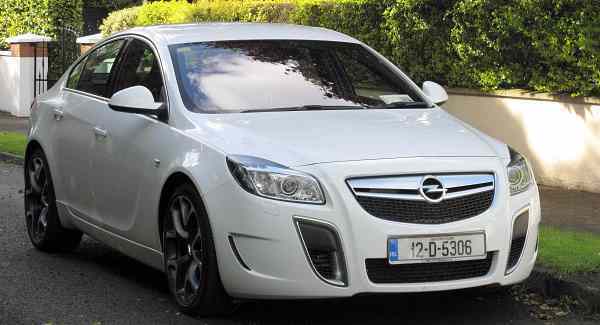
GM plans to break even in Europe by mid-decade after losing more than $18 billion (âŹ13bn) in the region since 1999. Opel is closing a plant in Bochum, the first car factory to be shuttered in Germany since the Second World War. At the same time, the unit is refreshing its mid-sized Insignia car after adding the Adam city car and Mokka compact sport-utility vehicle.
GM will add a variant of the Insignia that in the coming years will also be exported to the US under the Buick badge, as well as another Opel model that will be announced by the end of the year.
A sale of Opel to Canadian car-parts producer Magna International and Russian partner OAO Sberbank was among options that GM considered as it struggled to restore group profitability during the global recession in 2009. GM, which has controlled Opel since 1929, chose instead to keep the business and reorganise it to make it profitable.












