Nobel-winner: Ideas behind austerity are misguided
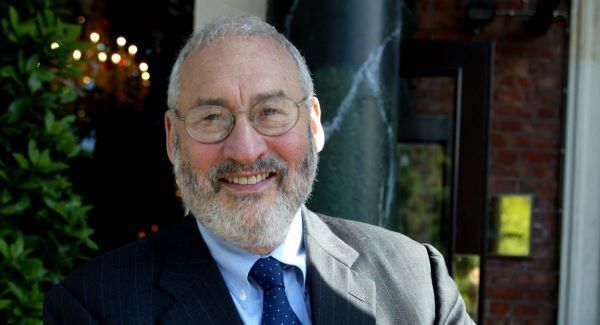
The mistakes made before the financial crash in 2008 have been well ventilated, he said. But the mistakes made after 2008 “were unnecessary”.
The Columbia University economics professor was speaking on RTÉ’s Morning Ireland.
“We [economists] knew austerity wouldn’t work. It was sheer ideology — a view that you have been sinners and you need redemption through pain.
“To me that is absurd. Austerity never works and why European leaders pursued this is beyond me.”
Mr Stiglitz, along with his fellow Nobel Prize -winning economist colleague Paul Krugman, have been two of the harshest critics of austerity as a response to the global financial and economic crises. They cite the US, which pursued an expansionary fiscal policy over the past few years, as an economy that has much more growth potential than the eurozone, which has been wedded to an austerity approach.
Mr Stiglitz said that Ireland faced a lost decade because taxpayers were forced to backstop the crippling losses of the banking system.
“I think there is some foolishness in assuming on the public’s back the burden of debts of the banks and that is going to saddle you for years. There have been some serious mistakes. Having said that, you’ve managed reasonably well given the demand put upon you.”
He argues that the ECB and the EU Commission share a big part of the blame for Ireland’s economic demise. “The ECB wanted to save the banks and other investors in Europe who invested in these bonds. So it was a tradeoff between banks all over Europe and Irish citizens. Irish citizens did not bail out the economy, they bailed out the bondholders.”
Mr Stiglitz said he was “astonished at the way Ireland accepted the pain without protest. It was a loss of democracy”.

CONNECT WITH US TODAY



Be the first to know the latest news and updates