Crisis looms as MEPs row back on EU cuts
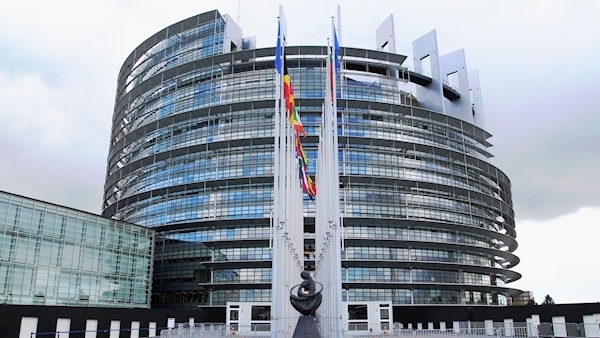
The leaders of the member states agreed in June to a €135bn budget for 2014-20, hard fought for by Ireland, and committed themselves to spending it on boosting the EU’s economy.
But the budget for next year — the first in the six-year cycle — had already been cut by €1bn by the Council of Europe, which represents the member states. The representatives of the countries last month decided where the axe would fall.
The areas they cut included spending on infrastructure, research and development, education, and aid for Palestine and Syrian refugees.
Danish MEP Anne Jensen, who is steering the budget proposals for 2014 through the parliament, said: “We agreed to a €360m front-loading in investments, research, education, and innovation, an effort that is sorely needed. It is strange to see that the council has cut the budget in precisely these areas.”
The members of the budget committee voted to reinstate the €250m for aid to the Middle East and refugees, and to add an additional €50m on condition the funds are soundly managed by the responsible authorities.
They also voted to add funds for humanitarian aid, especially in view of the situation in Syria and since there are now more than 2m refugees.
But because the European Commission is short of money to meet this year’s bills, Alain Lamassoure, chair of the budgets committee, warned that they are in danger of having no money to invest in anything next year other than to pay outstanding bills.
“The situation is alarming. In the best case scenario, we arrive at a budget in 2014 that is 6% lower than in 2013. But 90% of the available money for next year will be used for finalising old programmes. This means that, at a time when the EU is in dire need of investment, we are scarcely able to invest in anything new.”
Mr Lamassoure negotiated the total six-year budget on behalf of the parliament with Tánaiste Eamon Gilmore during Ireland’s presidency of EU.
The parliament is still waiting for the council to approve the amending budget of €3.9bn to cover the shortfall in this year’s budget. The MEPs agreed to vote down the entire 2014-20 budget if this money is not forthcoming.
The issue of budgets is always difficult in the EU because not only do member states vote on the overall spending for six years, but they also vote annually on the amount to be spent.
Normally they reduce the sum allowed for each year, but now, the EU may find itself unable to reimburse member states for money they spent on EU projects because countries — mainly Britain, Sweden, and the Netherlands — insist on further cuts.
The budgets committee agreed to cut the parliament’s budget to €1.8bn.
The parliament is due to vote on the budget on Oct 23, and is expected to follow the committee’s line.
There will be three weeks of conciliation talks with the council and if there is no agreement, MEPs will hold a final vote in November that could push the EU towards a payment crisis.