Central Bank revises down growth outlook
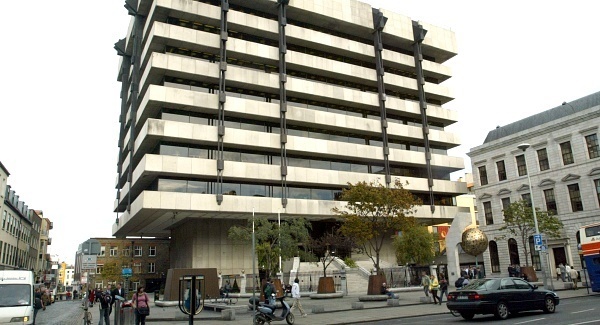
The Central Bank is sticking to its view that the economy will recover gradually, although it has revised down its growth outlook, according to its Quarterly Economic Update.

Central Bank revises down growth outlook

In its latest review, the Central Bank forecast that GDP would grow by 1.3% this year, which is down from the 1.7% it predicted in the last Quarterly Review, on the basis that the global economy still faces a challenging environment. GNP is forecast to grow by 0.5% this year.

However, there has been an upwards revision of growth in 2012 on the back of a more robust retail sales performance, with GDP now expected to have increased by 0.7% and GNP by 1.5%.

“With domestic demand behaving broadly in line with expectations, external demand has been the main factor underlying these positions. Exports account for over 100% of GDP; and as a consequence, growth prospects for the Irish economy are particularly sensitive to the outlook for domestic demand.”

The Central Bank highlighted the problem of mortgage arrears as a huge challenge. It urged the banks to step up its efforts to deal with clients on a case by case basis in an effort to draw a line under the problem.

Even though considerable progress has been made in reining in the budget deficit, the Government still has to complete €5.1bn in fiscal consolidation over the next two years to meet the 3% target by 2015.

The Central Bank is predicting a 5.4% in export growth for this year, with the bulk of the growth coming from a pick-up in services exports. There was a marginal increase in domestic demand over the course of last year and this is forecast to continue modest growth over the course of this year.

The unemployment rate averaged about 14.8% last year and this is expected to fall to 14.5% by the end of this year. Assuming the projected growth outlook pans out, the bank expects further inroads in reducing the unemployment rate again this year.

There was good news on the investment outlook. Following the collapse in the construction sector, there was a 56% drop in fixed capital investment between 2007 and 2011. However, it now looks as if investment in fixed capital may have grown in 2012. “This turnaround has come slightly earlier than expected.” The downturn in construction expenditure continues but this has been offset by a strong performance in machinery and equipment spending.

Pay levels increased across the public and private sectors. Comparing the first nine months of 2012, average weekly earnings increased by 1% compared with the previous year. However, with a high unemployment rate, wage pressure is expected to remain muted.

There are tentative signs of stabilisation in the property sector, particularly prices for family homes in well-located urban areas. The supply of houses in these areas are back to pre-crisis levels.

However, it is possible that the end of mortgage interest relief may have brought forward some house purchases into the later stages of last year, with an associated negative impact on activity this year, said the bank.

Even though there has been an improvement in competitiveness, there is still room for improvement in broadbank, renewable energy and tax credits for R&D, notes the bank.

More in this section

The Business Hub

Newsletter

News and analysis on business, money and jobs from Munster and beyond by our expert team of business writers.

Cookie Policy Privacy Policy Brand Safety FAQ Help Contact Us Terms and Conditions

© Examiner Echo Group Limited