Cameron to set out UK’s place in EU
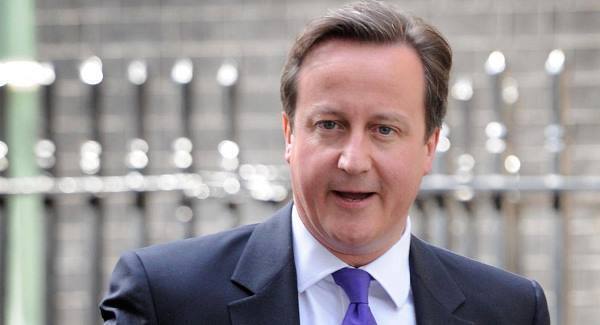
Mr Cameron is under pressure from the eurosceptic wing of the Conservative Party to hold a referendum, putting an “in/out” option to the people.
The Conservatives are being outflanked on the right by UKIP, which has seen its poll ratings rise on the back of anti-European sentiment.
Taoiseach Enda Kenny, in a speech in Brussels last week, said it would be catastrophic for the Irish economy if Britain left the EU. Ireland exports roughly one-fifth of all goods to the UK, while the Irish financial services sector is dependent on the City Of London staying within the EU.
Also, Britain’s withdrawal could see the reintroduction of border controls.
There is a concern that if Mr Cameron seeks to renegotiate Britain’s membership with a view to putting this to a plebiscite, then the ensuing game of brinkmanship with other EU powerbrokers will inevitably pave the way for a UK withdrawal.
London-based analyst with British think-tank Open Europe, Christopher Howarth, argues, however, that Mr Cameron wants Britain to stay in the EU and a renegotiation of its membership is the most effective way of ensuring this outcome.
“Doing nothing would be the most dangerous option,” said Mr Howarth.
The public mood in Britain is marginally in favour of a withdrawal as it stands. However, if Mr Cameron were to renegotiate in areas such as how structural funds are spent; budget contributions; common fisheries and agriculture policy; trade; and crime and policing, then he would be able to present these concessions to the British public.
More importantly, none of these changes would require a treaty change, said Mr Howarth.
If Britain wants to secure opt outs that would require treaty changes, then it would most likely wait for the next EU-wide treaty change to negotiate these, he added.
It is likely Germany will give Britain enough leeway to renegotiate the changes it needs to secure a referendum is passed on the basis that both countries — along with Ireland, the Netherlands and Sweden — share a liberal economic outlook.
Britain’s exit would undermine the strength of this bloc, with the balance of power shifting towards France, Spain and Italy.
Polls show if there is a change to the terms of membership, then the public mood is in favour of staying in the EU.











