Spotlight on Italian and Spanish debt
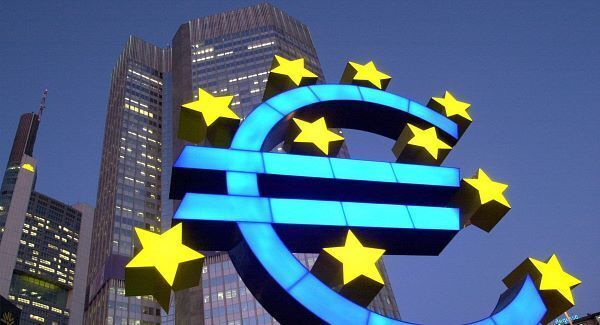
Some €157 billion in debt will mature in the 17-member eurozone in the first three months of 2012, according to UBS.
By the end of that period, leaders have pledged to draft a stricter rulebook for controlling government spending. German Chancellor Angela Merkel and French President Nicolas Sarkozy will meet in Berlin next Monday to work out the details.
“The road to overcoming this won’t be without setbacks, but at the end of this path Europe will emerge stronger from the crisis than before,” Ms Merkel said in a New Year’s broadcast.
Ms Merkel, whose first official appointment is on Thursday, reiterated that her government will do “everything” to bring the euro out of the slump.
Ten years after euro bank notes replaced national currencies on January 1, 2002, the euro has for the first time recorded two consecutive annual losses against the US dollar, while plunging to a record low against the yen. That raises the pressure on euro leaders as they struggle to hold the monetary union together in the face of credit downgrades, European Union splits and a looming recession that might compound rising debt.
The latest crack in Europe’s crisis-fighting plans appeared when Spain’s new government said 2011’s budget deficit would reach 8% of output, 2% more than the previous government had projected and more than the 6.9% expected by economists surveyed by Bloomberg.
Prime Minister Mariano Rajoy responded by unveiling a new package of spending cuts and tax increases.
Still, the key to the euro’s survival may lie with Italy, the group’s third-largest economy and the second most-indebted after Greece.
The government in Rome must repay €53bn in debt in the first quarter, about a third of the euro area’s total amount for the period, after Prime Minister Mario Monti passed an emergency budget package.