Teagasc optimistic that ambitious growth targets can be achieved
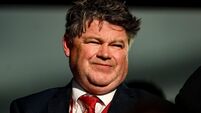
Teagasc chairman, Dr Noel Cawley, said: “Ambitious targets to increase the output and value from the agriculture and food sectors have been identified in the Food Harvest 2020 report and Teagasc, through its research, education and advisory activities, are working with farmers and those in the industry to achieve those challenging targets.”
Demand for Teagasc-run agriculture and horticulture courses also continues to grow. Against the backdrop of the ongoing government moratorium on new staff recruitment, Teagasc has gone a long way towards meeting the surge in demand.


Read

Listen

Watch

Play
CONNECT WITH US TODAY



Be the first to know the latest news and updates






The Business Hub
Newsletter

News and analysis on business, money and jobs from Munster and beyond by our expert team of business writers.
Business
Push Notifications
By clicking on sign up you will be the first to know about a selection of business content on this browser. Please note if you are unable to sign up via your mobile web browser, download and sign up for mobile push notifications via our FREE news app.
Sign Up

The Business Hub
Newsletter
News and analysis on business, money and jobs from Munster and beyond by our expert team of business writers.

Lunchtime News
Newsletter
Get a lunch briefing straight to your inbox at noon daily. Also be the first to know with our occasional Breaking News emails.
Most Read
Thursday, October 1, 2026 - 7:00 PM
Thursday, October 1, 2026 - 1:00 PM
Wednesday, September 30, 2026 - 5:00 PM