David McNamara: The US is preparing for a jumbo Christmas rates present
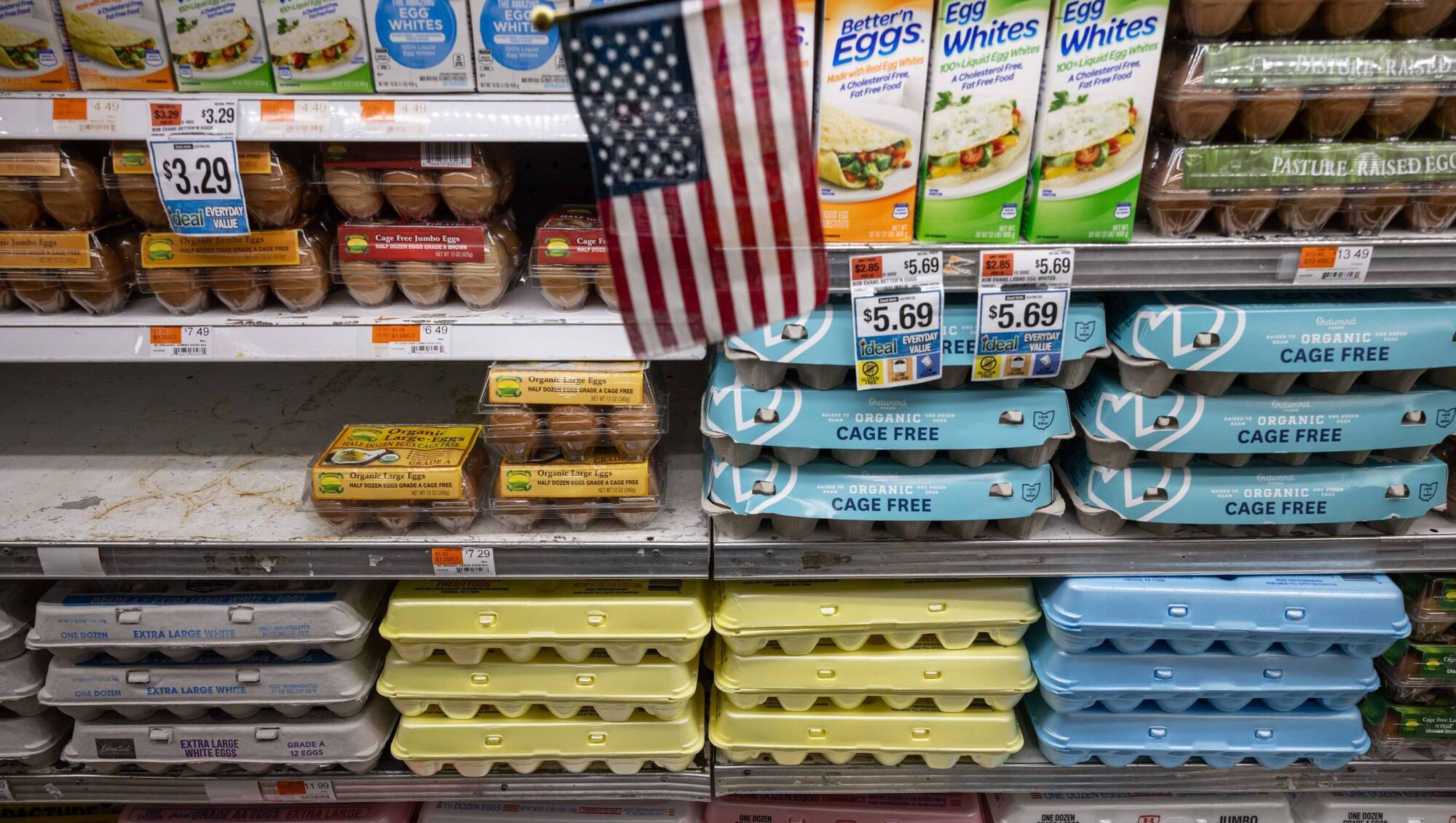
The US inflation report for October was higher than anticipated.

Last week’s US inflation data and comments by a senior central banker have raised the risk of a ‘jumbo’ 50bps rate hike at the final Federal Reserve meeting of the year on December 9.
However, the hot inflation data are based on a period in October when oil prices had surged to nearly $120 per barrel. Since then, energy markets have seen a sharp retrenchment in recent weeks.
The US CPI report for October was higher than anticipated. The data showed prices rose by 0.4% in the month (vs 0.3% forecast). Furthermore, the core-CPI index rose by 0.3% (vs. 0.2% forecast).
However, the statistics agency could not provide an annual inflation reading because of last year’s Government shutdown.
Adding a hostage to fortune, speaking before the release, Federal Reserve governor Christopher Waller said “a 50bps hike in the policy rate should be considered” in December if the core rate increased by 0.3% or more.
Read More
Mr Waller went on to state “two components with greater relevance to future inflation are elevated — core goods prices and those for core market-based services excluding housing”.
This adds to a sense that Fed officials are becoming impatient with the delay in progress this year towards the 2% target inflation rate, a level which has been overshot now for 67 months straight.
In the aftermath of Waller’s remarks and the CPI report, market interest rate expectations firmed. The market is now fully pricing in a 25bps Fed rate hike in December, and current pricing is consistent with circa 85bps of tightening by the end of 2027.
Meanwhile, UK rate expectations also rose somewhat last week, following hawkish remarks from BoE deputy governor Clare Lombardelli, who refused to rule out back-to-back rate hikes.
The market now sees a greater than 80% chance of a UK rate hike in December, following its first (albeit belated) rate hike in November. ECB rate expectations also ticked up, but to a lesser extent than elsewhere.
Nevertheless, these recent October inflation prints reflect the most acute period for energy prices since the US-Iran conflict began in February.
Indeed, since Brent Crude (one-month ahead) reached a peak of $118 per barrel on October 30, it has fallen by about 20% to $95. If sustained, this will limit the rise in headline inflation in November and December, reducing the risk of second-round effects becoming more embedded.
However, the much-talked-about second-round effects have yet to materialise to any great extent in the eurozone and the UK, with the elevated core inflation rate in the US a legacy of the previous inflationary shock, underpinned by the exceptional growth in the US economy and labour market of late.
So, while US central bankers may have to overcorrect on monetary policy in the coming months, there are few signs of a sustained inflationary shock in the more muted European economies.
- David McNamara is chief economist at AIB

BLACK FRIDAY
Already a subscriber? Sign in