David McNamara: Middle East ceasefire glimmer of hope despite failed peace talks
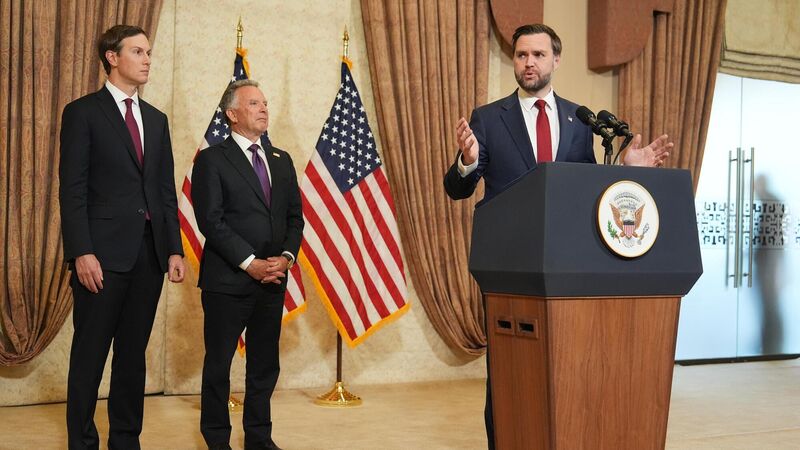
US vice president JD Vance, right, speaks after meeting with representatives from Pakistan and Iran on Sunday, April 12, 2026, in Islamabad, Pakistan. The collapse of peace talks over the weekend has seen oil move back towards the $100 and European equities fall on Monday morning. Nevertheless, the ceasefire brings a glimmer hope that both side may be willing to reach an peace agreement in the coming weeks.

The collapse of peace talks over the weekend has seen oil move back towards the $100 and European equities fall on Monday morning. Nevertheless, the ceasefire brings a glimmer hope that both side may be willing to reach an peace agreement in the coming weeks.
With a tenuous ceasefire agreed by both sides in the Middle East conflict, markets initially experienced a massive relief rally at the weekend. Equity markets surged and oil prices saw one of the largest one-day falls in recent history, falling 13% to $93 per barrel, while natural gas prices also moved sharply lower. Monday then saw oil prices back on the rise.
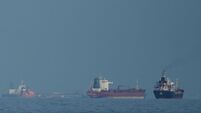
The question is how durable an accord will be, and whether the shift in power in the Strait of Hormuz might permanently dent trade flows through the key channel, as happened to oil and gas flows from Russia to Europe, post the invasion of Ukraine in 2022. Early indications suggest little seaborne traffic has moved through the Strait in the first week of the ceasefire, as Iran has asserted its control in the aftermath of the ceasefire. The US has, in return, threatened to blockade all Iranian maritime traffic through the channel.
This is evidenced in the premium to the global benchmark price that Saudi Arabia is now charging on oil exports through its Red Sea ports, supplied by a vulnerable East-West pipeline across the country. The presence of other pipelines or overland trade routes are scarce in the Middle East and would require cooperation between regional powers to develop them further.
This scenario implies the risk of a longer lasting inflationary shock, as global supply chains reorganise. However, the magnitude of the shock to commodity prices remains below that of 2022, and the de-risking of supply chains towards ‘onshoring’ or ‘friendshoring’ has been in train for several years.
In Europe, energy systems have all but replaced Russian oil and gas with (largely) US imports, alongside a further outright reduction in fossil fuel demand, as industries slowly decarbonise. With the US seen as an unreliable ally of late, the current shock might yet spur a faster transition to renewables and nuclear power in Europe, although the immediate oil price shock has drawn pressure to unwind ‘green’ policies such as carbon taxes in Ireland and elsewhere.
In 2022-23, European governments on average spent nearly 3% of GDP on energy support packages. In the UK, the figure was 4.5% of GDP, while in Ireland a similar 4.5% of GNI* (modified gross national income) package was implemented. These sums are unlikely to be repeated as the fiscal space no longer exists for most European countries. This means short-term relief measures may have to be scaled back at the expense of longer-term energy resilience policies.