Trump's alternative tariffs may sour Taoiseach’s St Patrick’s visit
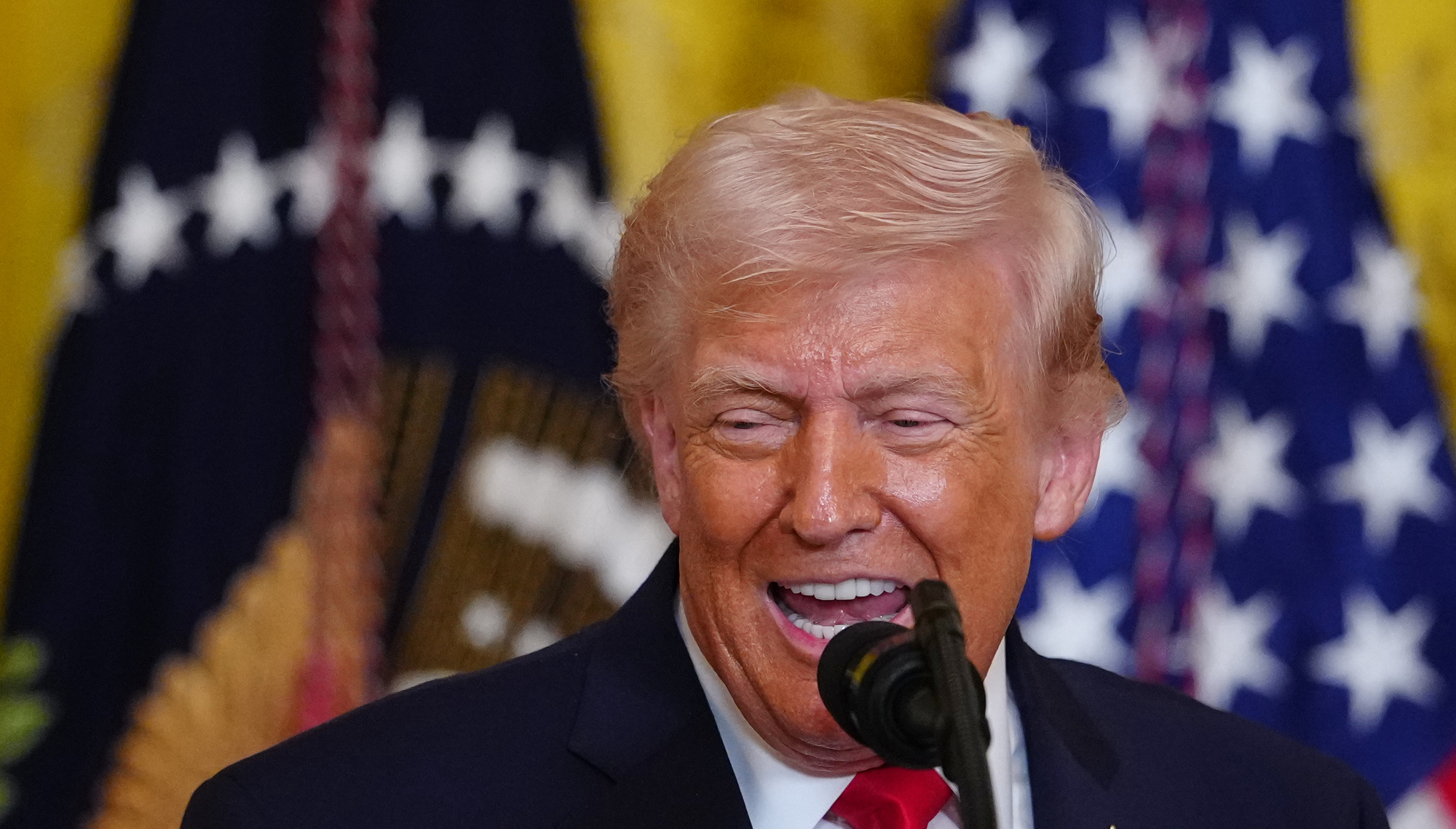
US president Donald Trump’s reciprocal tariffs were recently deemed illegal by the US Supreme Court. Picture: Julia Demaree Nikhinson/ AP

Last week, the US administration announced new trade investigations targeting the European Union, China, India, and over a dozen other economies.
These actions aim to replace US president Donald Trump’s reciprocal tariffs, which were recently deemed illegal by the US Supreme Court.
Ireland was specifically mentioned in documents from US trade representative Jamieson Greer, who pointed out:
“Ireland has maintained a substantial goods trade surplus — $97bn or 15.9% of GDP in 2024. In 2023, its goods trade surplus with the rest of the world reached $57bn. In 2025, Ireland’s bilateral goods trade surplus with the United States hit $55bn, mainly driven by pharmaceutical exports.”
Read More
He further explained that the new investigation, authorised under Section 301 of the Trade Act of 1974, gives the US authority to levy tariffs on imports from countries it deems to have unfair trade practices.
A press release from the US trade office stated these probes will assess “acts, policies, and practices” connected to structural excess capacity and manufacturing production in certain economies.
The US argues that some trading partners are disregarding market-based principles and producing far more goods than they can consume domestically, resulting in persistent trade surpluses and increased exports to the US or through third countries that subsequently export to the US.
According to Greer, the administration expects the investigation to uncover various “unfair trading practices related to surplus capacity and manufacturing”.
He noted: “Major trading partners still maintain production levels not in line with domestic and global demand.”
The release also highlights that Ireland’s manufacturing sector had low domestic capacity utilisation in early 2026, maintained through non-market policies and surplus exports.
The Trump administration is seeking to rush in the new legislation to replace the lost income on tariffs on imports from the EU and other countries, as the deadline for making repayments on the now judged illegal tariff collections approaches.
The US Customs and Border Protection (CBP) disclosed in a court filing this amounted to $166bn, involving more than 330,000 importers.
The CBP suggested it could begin issuing refunds by late April once their revamped technology to handle it is implemented.
Section 301 of the Trade Act seems to be the main instrument the US administration is planning to utilise.
However, it is not the fastest but is regarded as the most legally sound and durable avenue for the US administration to replace the lost tariffs.
Once imposed, Section 301 actions are harder to challenge in court and difficult to unwind, as evidenced by the continuation of tariffs on China across different administrations.
Taoiseach Micheál Martin will need to tread carefully at his scheduled meeting with Donald Trump on St Patrick’s Day in the White House.
He is unlikely to raise the tariffs issue, as we don’t have a strong negotiating hand, with the undoubted large-scale production of pharmaceuticals being exported to the US, and which have increased year-on-year over the two terms of Trump’s presidency, have not so far been impacted by tariffs.
In any event, we are bound within the EU trade negotiations system, which has been a useful shield, giving Ireland protection within the wider trade negotiations.
This continues to give trade protection under the new probe, with the EU Commission and president Ursula von der Leyen strongly rebuffing the US narrative that the EU is guilty of overproduction, stating “sources of such overcapacity are well-identified, and they do not lie in Europe”, in a thinly veiled reference to China and its overproduction of exports around the globe.
Fortunately, the Section 301 probe announcements do not include agri-food imports by the US, giving Irish and European farmers the promise this lucrative market may escape the current 15% tariff under the old rulings.
Brussels is currently mainly focused on ensuring the US respects tariff commitments under the Turnberry agreement with Donald Trump’s deal so that European exporters have real legal certainty, which also gives Ireland’s pharmaceuticals a zero-tariff rating on exports to the US.
As services are not initially targeted, the main source of Ireland’s corporation tax is unlikely to be impacted by the Section 301 probes.
However, as with all negotiations with the Trump administration, the situation is fluid, with potential for further, more targeted actions against some sectors.
Companies will continue to be on high alert until a new legally binding agreement with the US is in place.