David McNamara: Trump's latest Fed meddling could spook markets
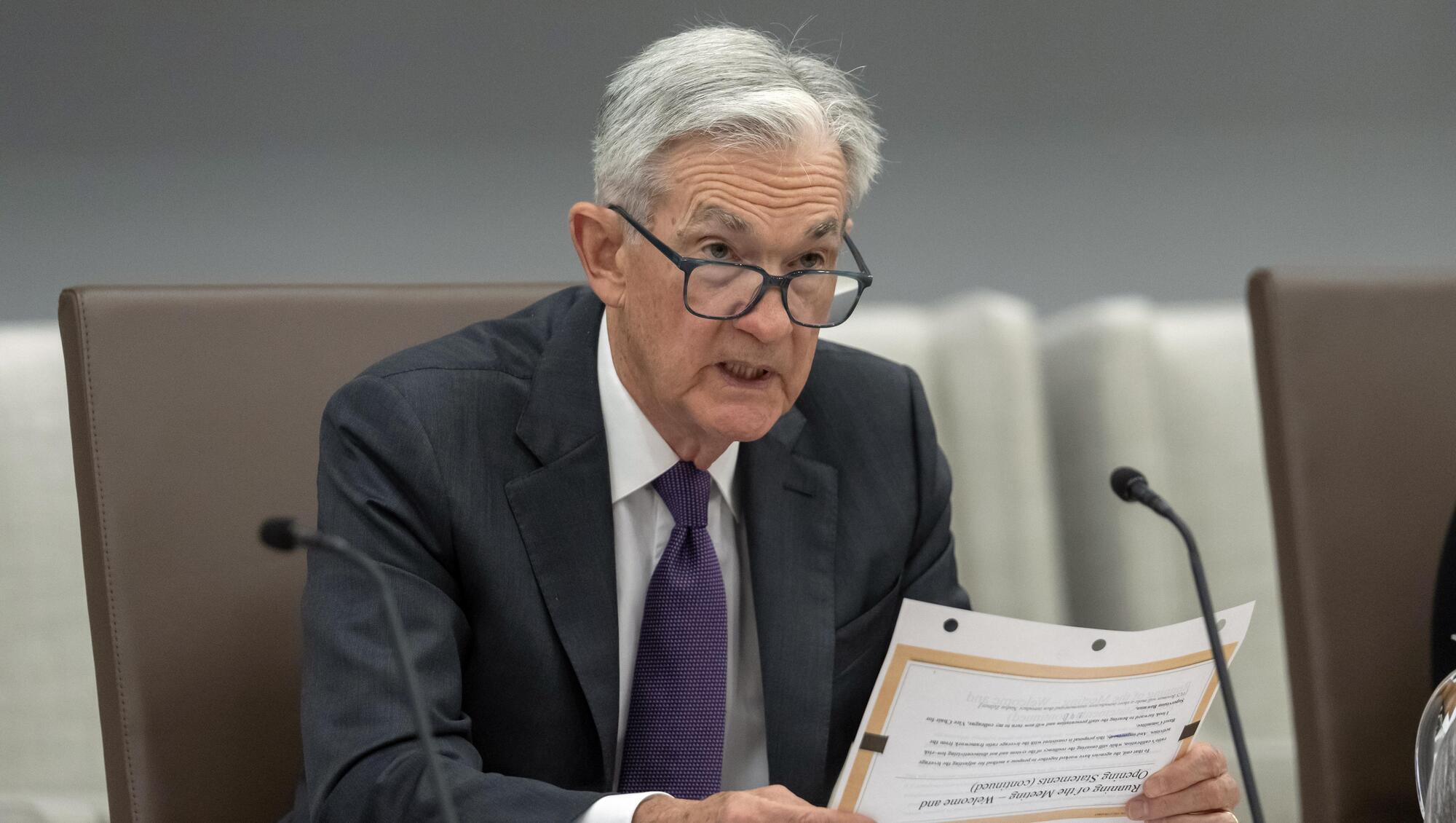
A US Justice Department investigation into alleged wrongdoing by the US Federal Reserve in relation to a construction project has drawn a sharp rebuke from Fed chair Jerome Powell. Picture: AP Photo/Mark Schiefelbein

The unexpected events of the past week in Venezuela have shone a light on a potentially more muscular geopolitical approach of the US government in 2026.
While predictions of what might come next from US president Trump’s administration are widespread, the market reaction to the events in Venezuela last weekend has been muted so far. Brent crude prices have shown some volatility, but are only modestly higher on the week, moving from around $61/barrel to $62. On equity markets, the S&P 500 has had a solid, if unspectacular week, gaining about 1.5% last week. All in all, markets appear to have boxed off the Venezuela attack as geopolitical noise that is unlikely to affect the economy.
Indeed, the first year of the second Trump administration, marked by exceptional policy uncertainty, has seen largely becalmed markets, with the only spillover occurring in the immediate aftermath of the ‘Liberation Day’ tariffs in April. As we discussed last week, the structural theme of AI has been the primary driver of markets over the past year, usurping the announcements from the White House, and perhaps breeding some complacency amongst investors on the potential impact of geopolitics.
In contrast, the emerging story of an US Justice Department investigation into alleged wrongdoing by the US Federal Reserve in relation to a construction project has drawn a sharp rebuke from Fed chair Jerome Powell and has seen markets open in the red on Monday and put downward pressure on the dollar. In his sharpest criticism of Mr Trump, Mr Powell accused the US government of seeking to pressure the Fed into further interest cuts, unprecedented in the modern era of central bank independence. With a new chair set to take the reins this year, investors will be questioning their ability to set a course for monetary policy free of political pressure.
However, the Venezuela and Fed episodes highlight the continued risks to the global economy and markets in an increasingly uncertain US policy environment, particularly a European economy stuck in the middle of the hard power players. Indeed, the European economy remains in a potentially invidious position of being almost entirely reliant on the US in the areas of defence, technology, and energy, while still recovering from a competitiveness shock as it weans itself off Russian energy. Simultaneously, it also faces tariffs from the US on its key industrial goods, and steep competition from China within many of formerly market-leading exports such as automobiles.
The EU also continues to let a ‘good crisis go to waste’, with little progress on advancing the structural reforms recommended in the 2024 Draghi and Letta reports to boost the internal market. On the upside, the European economy, while lagging the US in terms of growth, has shown remarkable resilience to recent shocks from Brexit, to Covid, to the war in Ukraine. Unemployment is at a record low, and households and firms have robust balance sheet positions.
The failure of the EU project in recent decades has been its inability to provide the regulatory conditions which might have enabled the current glut of savings to flow into productive investments in technology, climate, defence, and other areas, within a truly single market of nearly 500m people.