John Whelan: Ireland's top business challenges in 2026
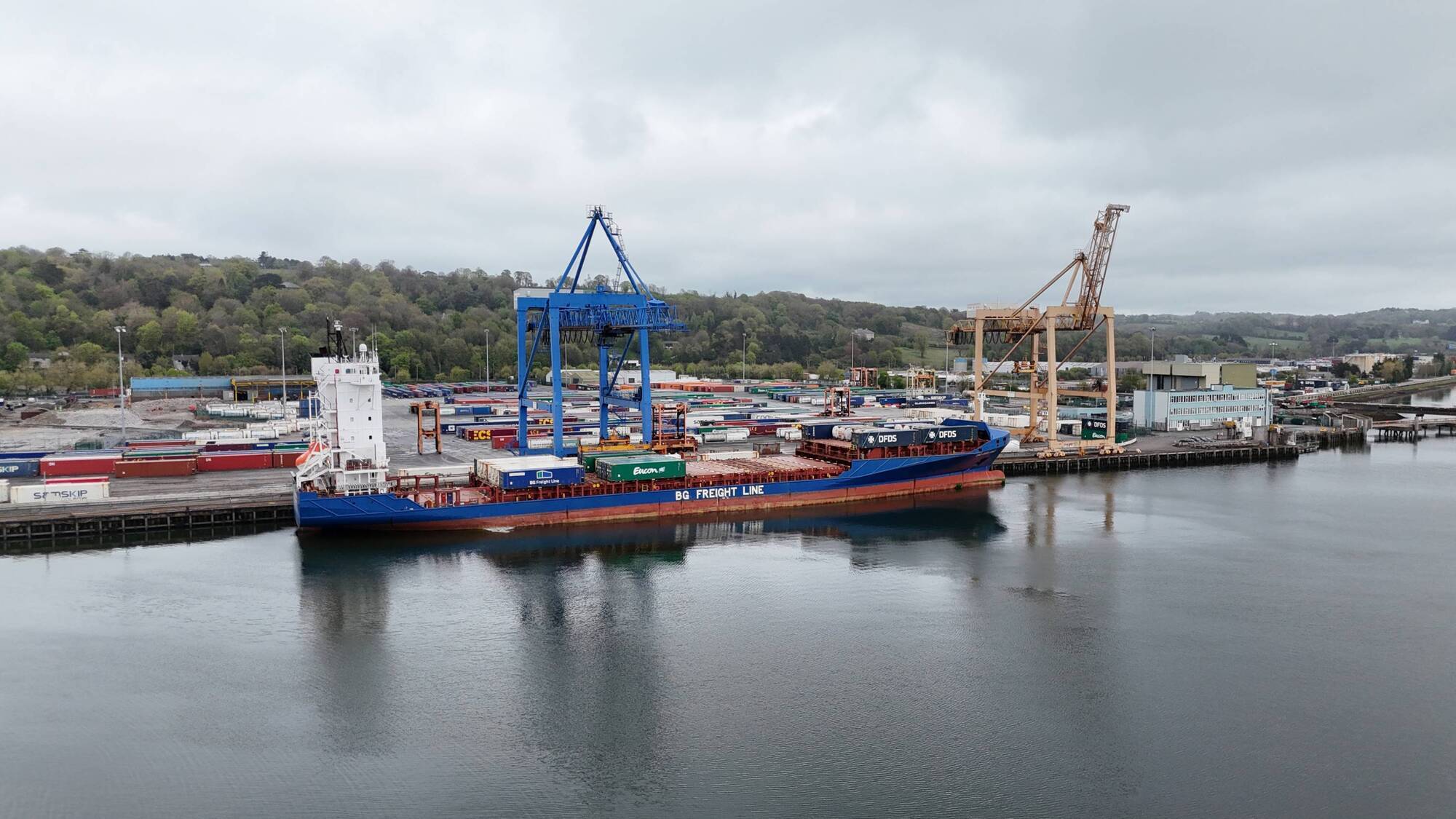
Irish exporters to the US are expected to continue to face higher costs due to the 15% US import tariff, in particular sectors like pharmaceuticals, semiconductors, and drink. Picture: Larry Cummins
As we exit a turbulent 2025 and head into the new year, there are a number of burning questions that are likely to cause indigestion to those trying to run a business in 2026.
Responding to these burning questions with answers that matter may determine success or failure, not just in the next 12 months, but perhaps for the long term.

Top of the list is the tariff whirlwinds, which seem set to continue into 2026, with the burning question of which industries will get hit next in Trump’s Game of Tariffs.
Tariffs have been keeping executives up most nights through 2025, with virtually no manufacturing or supply-chain organisation in Ireland left untouched. The tariff potpourri emanating from the US White House has caused upheaval in international trade as old rules are unceremoniously tossed aside, with companies forced to consider where they may have to locate their business base, which countries it is now necessary to import from, and where financing can be raised.
Irish exporters to the US are expected to continue to face higher costs due to the 15% US import tariff, in particular sectors like pharmaceuticals, semiconductors, and drinks, mainly whiskey, as demand stalls and exports fall. This is a sharp increase from the effective 1% rate that existed before April 2025--Trump’s so-called Liberation Day.
Ireland is considered the most vulnerable EU economy to the tariff increase, due to its outsized dependence on US exports and its heavy reliance on US foreign direct investment. Pharmaceuticals and semiconductors are the two sectors most at risk, as these two sectors account for 75% of Ireland-US trade, and while they are set at 15% tariff in the current deal, there is significant concern that this may be increased due to ongoing US Section 232 investigations into the national security implications of such imports.
Second on the burning list is how to manage the global AI frenzy. While not directly hit by tariffs, many US tech firms with Irish bases, such as Google, Meta, Microsoft, Oracle and Apple, are splurging billions in chasing the rapidly growing AI market. These Irish-based multinationals need vastly increased capacity in their data centres to keep up with the market expansion. But Ireland has run out of the necessary electric grid capacity to meet these rising data centre requirements.
Alan Dillon TD, Minister of State at the Department of Enterprise, Tourism and Employment, in replying to Dáil questions on the matter, believes the matter will be addressed, advising that a multi-billion-dollar investment is planned to be spent on grid upgrades between 2026 and 2030. The burning question is, can this be delivered on time to meet the needs of the multinational sector, which may shift away from Ireland to other countries where data centre expansion is more certain? The SME sector has been investing in its own development to meet the AI-driven markets, and the worry is that these sunk costs will evaporate if the necessary data centre handling facilities fail to materialise.
Cybersecurity is considered the next burning issue as we head into 2026. Cyberattacks have impacted all sectors in recent years, but while no industry is immune, consistently the most targeted and affected industries are healthcare, manufacturing, and financial services. And since the Russian invasion of Ukraine, Government agencies have become prime targets for foreign espionage with the intention of disrupting critical infrastructure like internet utility connections based in Ireland linking the EU and the US.
The World Economic Forum’s Global Risks Report places AI-powered cyber threats, with deepfakes and synthetic IDs, among the most severe near-term risks. But for business executives, the most pressing issue is ensuring their IT systems are not attacked, which, regardless of any ransom issues, can be devastating for customer service and associated loss of contracts.
Finally, should sustainability still be a priority in 2026, or has industry moved on?
The year 2025 was one of contradictions. The U.S. political shift toward “drill baby drill” reflected renewed emphasis on domestic fossil energy. And while the European Union continues pushing for reduced dependence on critical fossil fuels and stronger recycling ecosystems, there has been a notable easing of dates for CO2 emissions reductions, particularly for the motor industry.
Sustainability may “still be a thing” in 2026, but the following two years will determine whether ESG commitments survive the changing US policies and other economic whirlwinds.