David McNamara: UK and Eurozone similar in many respects, except on rates
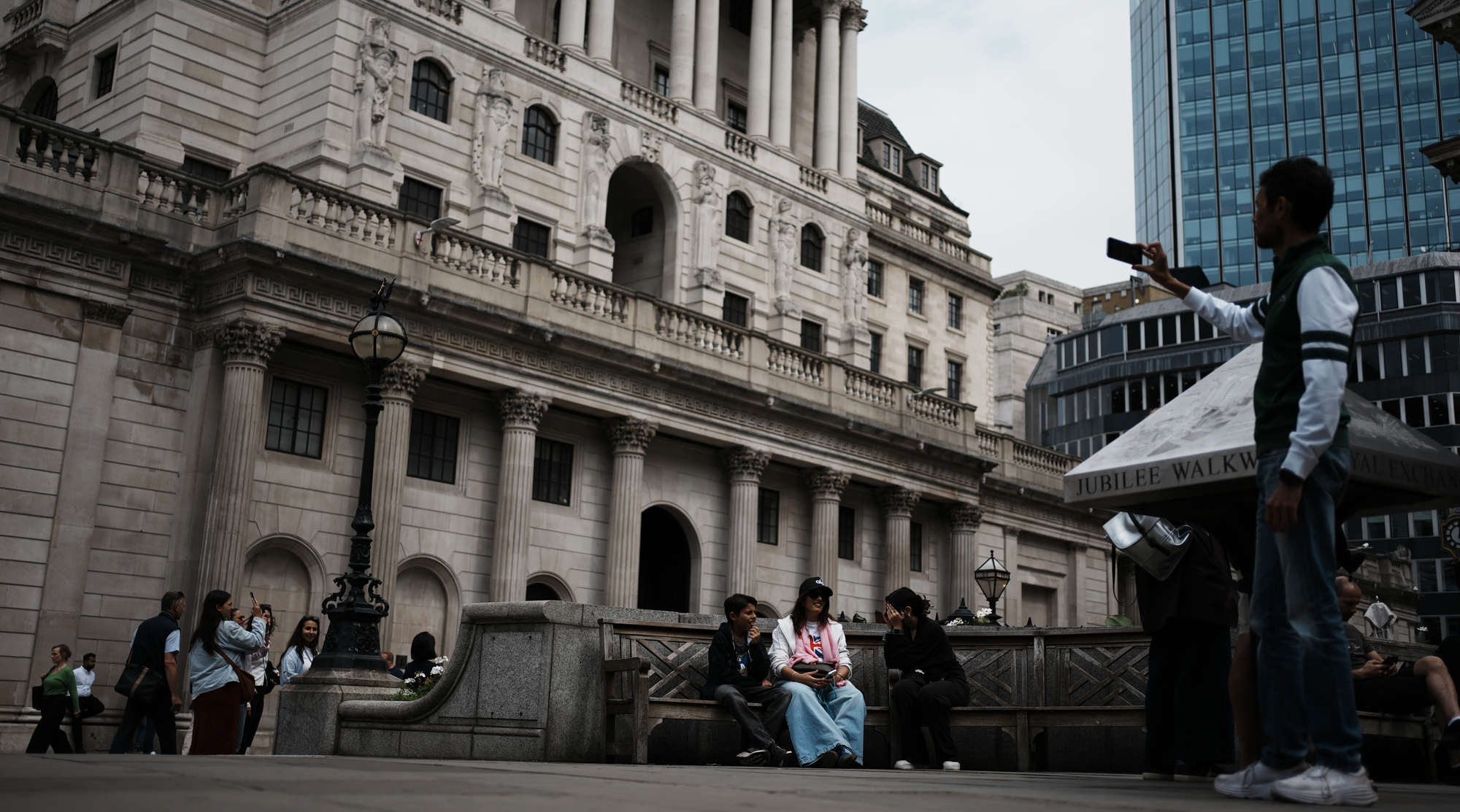
The takeaway is the BoE will tread cautiously from here amid the current policy fog.

Last week’s knife-edge Bank of England (BoE) rate cut came amid ongoing uncertainty on the global and domestic front for policymakers.
The caution of the BoE is notable given the current weakness of the UK economy. Comparing high-level macro data to the Eurozone suggests both economies are growing similarly at historically weak rates of about 1% per annum.
Nevertheless, the ECB has been much more aggressive in its rate-cutting cycle, lowering its key deposit rate to 2% from a peak of 4%. In contrast, the BoE has lowered its rate gradually to 4% from 5.25%.
Once again, there was no unanimity within the BoE on its policy decision. The voting breakdown showed five members in favour of cutting rates. Four of these five voted for a 25bps reduction. The other dovish voter was initially in favour of a 50bps rate reduction due to recessionary concerns, before settling on a 25bps cut.
Meanwhile, four members preferred to keep rates unchanged on their view that the “disinflationary process had slowed”.
While the UK and Eurozone economies have posted meagre growth amid weak productivity and business investment, the key differentiator which has kept the BoE on the sidelines for much of the past year is inflation. UK CPI inflation has plateaued at c.3.5%, while Eurozone inflation has fallen rapidly to just 2%.
Having declined throughout Q1, UK inflation jumped markedly higher in recent months, owing in part to Budget decisions, such as the tax hikes and increases in regulated energy prices.
The BoE still expects inflation to fall back to its 2% target in the medium term. Its latest forecasts are for the headline rate to be at 3.75% by year-end and to decline to 2.5% by the end of 2026, before slowing to 2.0% by the end of 2027.
However, there remains considerable uncertainty on the outlook, with persistently high inflation pointing to a supply-side problem, brought on by historically weak rates of investment over the past decade amid the consecutive shocks of Brexit, covid-19 and the war in Ukraine.
This supply-demand imbalance has pushed up inflation and likely fed through to higher wages, which in turn can boost consumer prices in a negative feedback loop. These lingering inflationary pressures are now being amplified by policy changes by the Government, which the BoE fears may become embedded in even higher prices.
The takeaway is the BoE will tread cautiously from here amid the current policy fog. UK futures contracts are now not fully pricing in another 25bps rate cut until February 2026.
Prior to the meeting, the market was anticipating another rate cut before the end of this year. However, the BoE will likely maintain its practice of easing policy at meetings that coincide with the publication of its Monetary Policy Report (MPR), the next one being in November.
- David McNamara is Chief Economist with AIB