David Howard: New homes can be delivered but action on incentives is needed
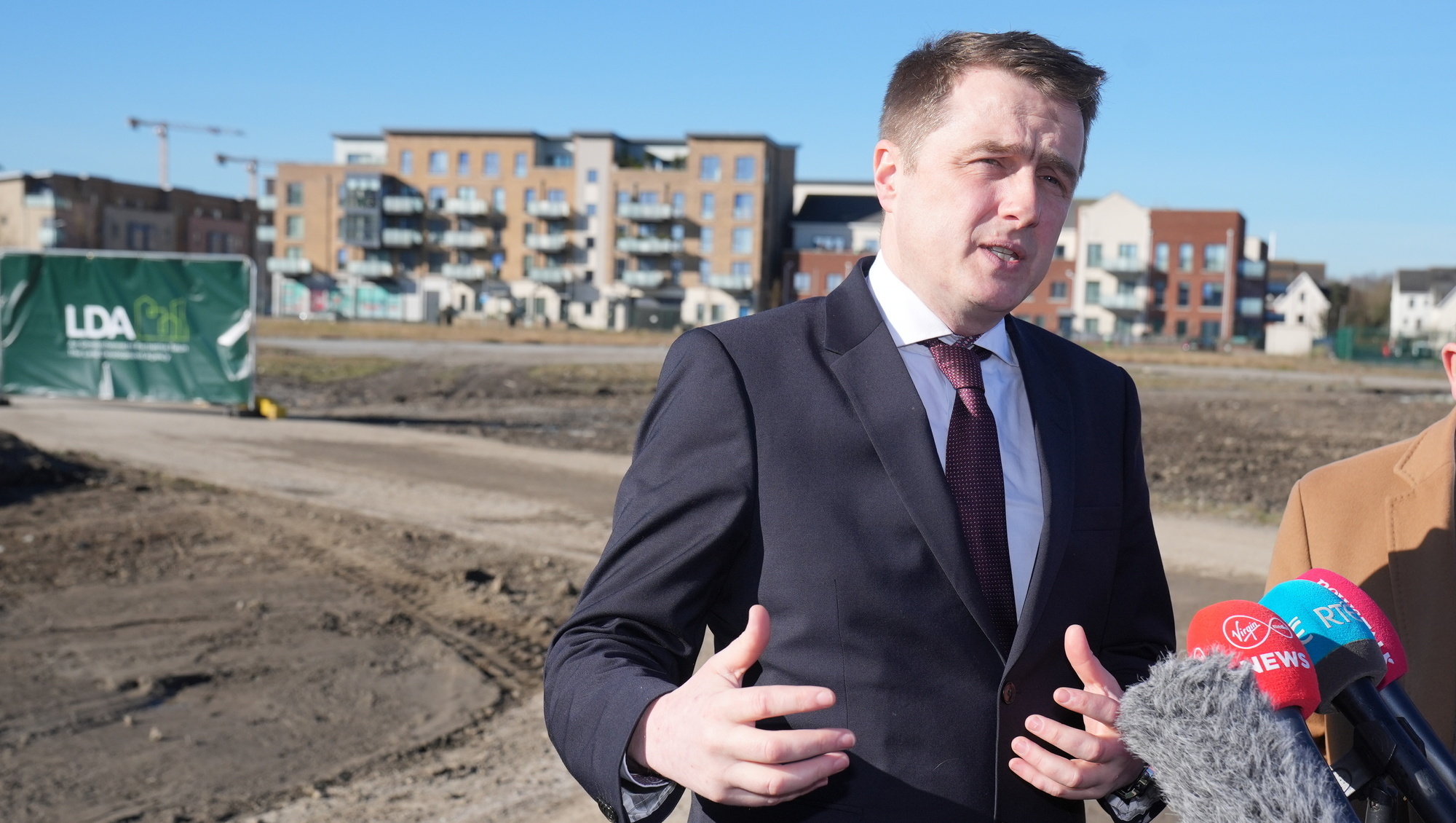
James Browne, the housing minister: Ireland was building 63,500 homes a year during the Celtic Tiger and is now building 30,000.
The housing completion figures for 2024 were disappointing. They fell not only below government expectations, but far short of the levels needed to meet annual demand.
This is not just a matter of statistics; it is a national crisis with far-reaching social and economic consequences.
As the latest CSO figures on property prices indicate, even those fortunate enough to secure a home face staggering costs. Year-on-year price increases place immense financial strain on buyers, making homeownership an increasingly unattainable dream for many.
Beyond these social challenges, the housing shortage also threatens Ireland’s economic model. Our economy thrives on a combination of homegrown and international talent, but the lack of affordable housing is now the biggest barrier to attracting and retaining skilled workers.
Understandably, we often focus on the demand side and the human impact of the crisis. But this is also a story of supply.
There is a concerning narrative about our capacity — or lack thereof — to build at the scale required. During the Celtic Tiger era, we built an average of 63,533 homes annually. However, with only 30,330 homes built in 2024, we are far from the levels we were once capable of achieving.
Those at the forefront of housing delivery believe there is scope to expand capacity.
Ireland urgently needs a significant increase in housing completions across all tenures — private homes for new families, rental accommodation in cities, towns, and villages, and a dramatic expansion of social housing. Housing delivery remains hampered by bureaucratic bottlenecks, regulatory hurdles, and infrastructural constraints.
Property Industry Ireland (PII) believes that the Government can take immediate steps to both support housing construction and lay the groundwork for long-term success.
Getting more apartments built needs to be a top priority. We should introduce incentives that attract investors and speed up construction, potentially adding 60,000 new units by 2028.
The three key housing policy documents published by the Government in the last year are the the and the Department of Finance's The finance report highlights that Ireland needs €16.2bn to meet the 40,000-home target for 2030, meaning we need €20bn to meet the Government’s 60,000-homes target.
With limited domestic funding, Ireland must compete internationally, making policy certainty and investor-friendly structures crucial.
Fixing the planning system is just as important. New planning-application figures suggest that it will be a challenge to meet the Government’s targets in the short term. Extending existing permissions and updating laws to prevent refusals based on outdated settlement numbers could unlock at least 15,000 homes over the next five years.
We also need to tackle land availability. Fast-tracking zoning reforms and updating local area plans will make sure there’s enough land ready for construction. Plus, government policy should ensure that it does not unintentionally stall critical land transactions.
Infrastructure funding is another big hurdle. High development levies and steep infrastructure costs — things like water and roads — are making construction more expensive and slowing everything down. A more co-ordinated approach and cost reductions could help get projects moving faster.
Finally, we need to support buyers, too. Updating Help-to-Buy and First Home Scheme thresholds, so that they reflect cost inflation, would make homes more affordable and encourage more development in high-demand areas.
While immediate priorities matter, Ireland needs a long-term, sustainable housing strategy. The Housing Commission report outlines transformative measures, but implementation requires tough decisions, collaboration, and focus.
PII recognises that all stakeholders — government, legislators, local authorities, housing bodies, homeowners, and renters — must work together. Housing is more than construction: It shapes communities, drives economic growth, and secures Ireland’s future. This is a shared challenge for everyone.