David McNamara: Taking stock of where central banks stand on interest rates
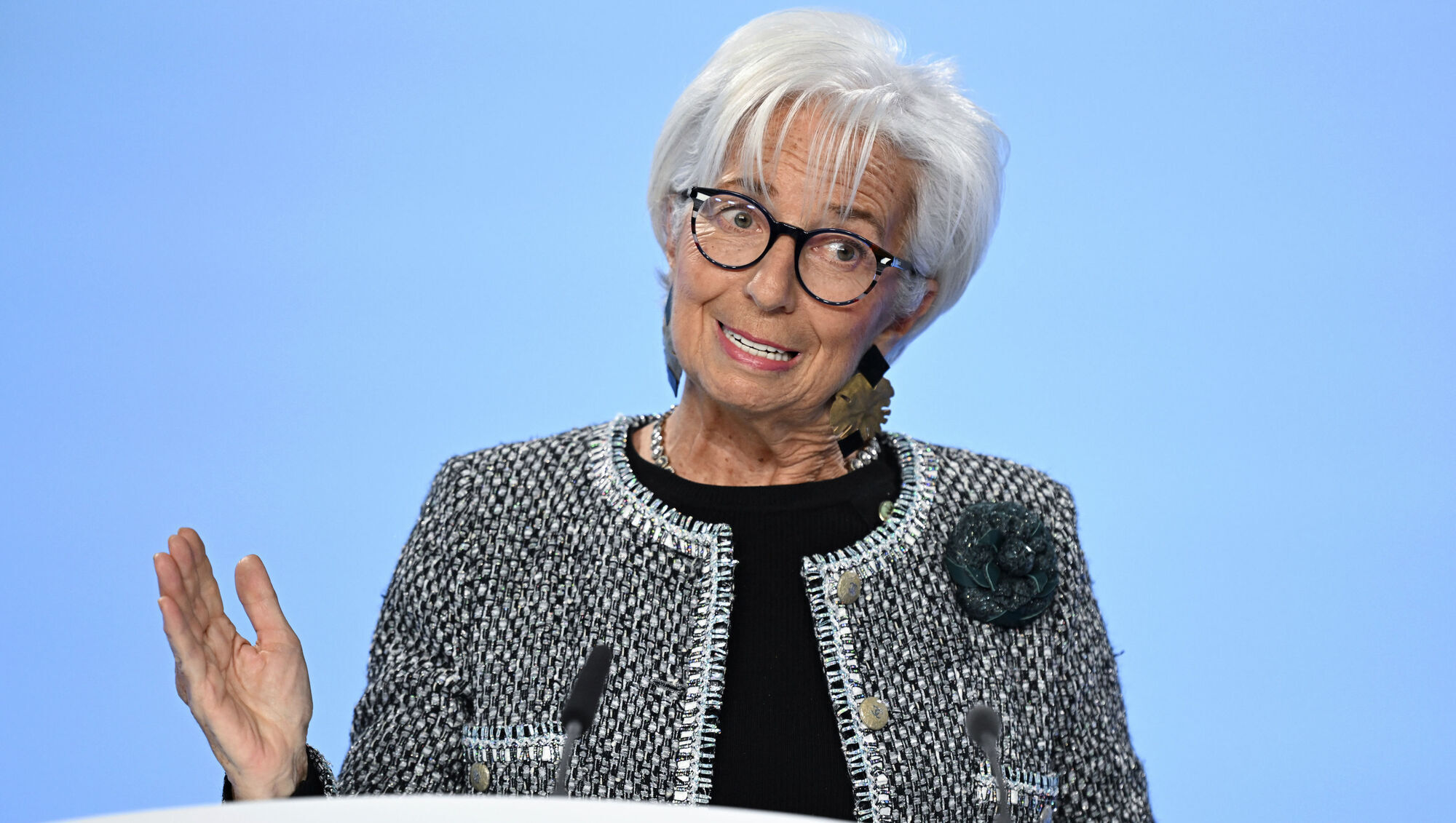
President of the European Central Bank Christine Lagarde: The growing divergence between the ECB and the other majors, in particular the Fed, explains some of the recent weakness in the euro.

With all three major central banks acting as expected in their first monetary policy meetings of 2025, it is worth taking stock of where each stands and what the market outlook is for interest rates.
To recap, the US Fed held rates at current levels at its meeting, while both the European Central Bank and Bank of England (BoE) cut by 25 basis points (bps). This leaves the Fed at 4.50-4.75%, the ECB deposit rate at 2.75% and the BoE at 4.5%.
The growing divergence between the ECB and the other majors, in particular the Fed, explains some of the recent weakness in the euro, although geopolitical risks and general growth concerns have also weighed on the currency.
With the three central bank heads also giving press conferences, investors were watching closely for any hints of a policy shift. The overarching sense is all will proceed cautiously in the current uncertain environment.
While each delivered what the market expected this time around, the outlook for growth and inflation remains clouded by what US president Donald Trump’s policies might catalyse in 2025. This was reflected in the BoE governor’s comments last week, post the flurry of tariff orders and subsequent delays by President Trump the previous weekend.
Andrew Bailey said the BoE had not factored tariff impacts into its new economic forecasts, saying: “You cannot make a clear and unambiguous prediction of what would happen to inflation.”
Fed chair Jerome Powell played a similar straight bat at his press conference the previous week, although this came before the fresh US tariffs on China were implemented days later.
The materialisation of the tariff risk might force Powell to face the issue head-on at his next press conference in March, and in any event, the Fed’s new “dot-plot” will be a transparent view of how voting members expect the president’s policies to play out on US growth and inflation.
Similarly, the threat of US tariffs on the EU will bring added focus onto ECB policy, although investors seem to be betting weak domestic demand will outweigh any inflationary risks from a trade war.
In the week following the ECB meeting, market expectations for further rate cuts have risen, with the expectation the deposit rate could now fall below 2%. For the Fed, markets are still pricing in a similar shallow trajectory for the Fed Funds rate to fall to 3.75-4% by end-2025.
For the Bank of England, the perceived dovish tilt in the seven-two vote of its monetary policy committee (two members wanted a 50bp cut), saw an immediate weakening in sterling and a sharp move in rate expectations, which did somewhat unwind thereafter.
UK rate expectations are now only about 5bps softer compared to the start of last week, with markets pricing in a further 60bps of cuts to get bank rate to at least 4% by the end of the year.
- David McNamara is chief economist with AIB