Overcoming the negative energy balance hurdle this spring
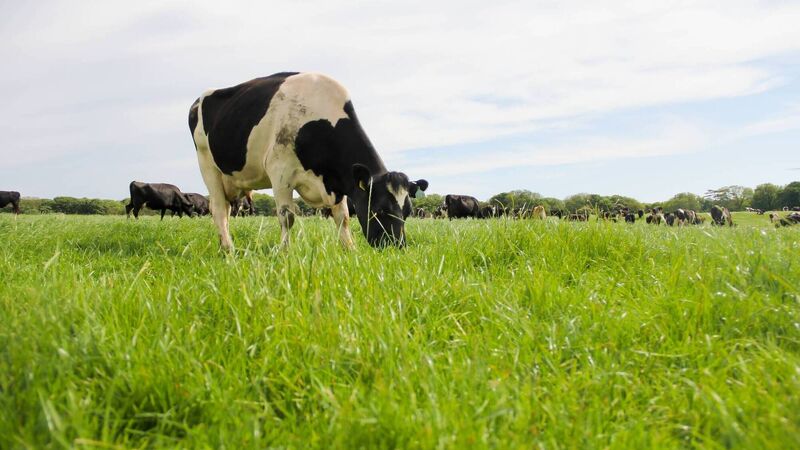
Having a good diet available for cows will ensure that they hit their peak milk yield. Getting grass into the diet will be a priority on most farms, but from what we have learned in the past few years, a plan B is crucial, writes Thomas O'Sullivan.
The busy season is quickly approaching; in fact, it has kicked off on many farms around the country already. This is a stressful time for both farmers and animals, and it’s easy to come under pressure and take your eye off the ball when it comes to balancing the fresh cows’ diet in early lactation. Preparation is important to ensure things go smoothly and safely.
In the first few weeks after calving, a cow will physically struggle to eat enough to match her energy requirements. This will put her in a negative energy balance (NEB).
Loss of body condition can be exacerbated by cows suffering from a metabolic issue, so it is important to get it right, as 80% of metabolic issues happen during the transition period (from three weeks pre-calving to three weeks post-calving).
It all starts in the dry cow period. The aim is to have cows in optimal condition at dry-off (3–3.25) and just maintain this throughout the dry cow period. We want to have cows fit, not fat, calving down. This helps them calve down successfully without intervention and hit the ground running when it comes to performance.
We typically use a controlled-energy high-fibre diet at this time, for several reasons:
- It restricts the energy the cow is getting;
- It ensures that the cow has enough protein to support colostrum production and metabolic function;
- It gives the cow enough fibre to keep her content and full;
- It helps the cow transition to a milking-cow diet.
The amount of condition the cow will lose in early lactation will have a significant impact on her milk yield performance for the year ahead. Ideally, we do not want to lose more than 0.5 BCS in the first six weeks after calving; this would equate to a loss of around 25kg in your typical 600kg Friesian cow, or 4% of her mature body weight.
Dry matter intake will have a big impact on early lactation, as the cows will not reach their peak DMI until two to four weeks after they reach their peak milk yield. The impact of this discrepancy is minimised by feeding the correct proportion of each ingredient and balancing the diet.
Elevating the fat and protein levels in this period can mislead you into thinking that enough energy is being provided, especially when milk yield is on target. However, milk yield at this time is not always a true reflection of the diet, as cows can be milking off their back — producing a few extra litres from their body reserves. Looking at the condition of the cow six weeks post-calving will indicate whether enough energy was provided from the diet or whether the cow was using her own condition to produce milk.
This will vary between breeds and sizes of cows, but it will correlate to the amount of fibre in the forage (NDF), which will be the limiting factor when it comes to how much the cow can physically eat. In many cases, cows are expected to eat too much forage, and they end up losing more condition than they need to, as the diet is not energy-dense enough.
We can also look at ways to try to increase the cows’ DMI in early lactation. A freshly calved cow will likely only eat around half of her required intake in the first week post-calving. This is the critical period in which we need to fill the energy gap, and it can be done by offering the cows an energy-dense diet. For example, beet and especially maize are becoming more common in fresh-cow diets.
These are excellent sources of energy and starch, which is exactly what is needed by the cow. However, it’s important to ensure that the diet is balanced for protein also, as protein will be needed to drive intake and ensure efficient breakdown of the starch in the diet. Don’t overestimate the level of protein a few hours’ grazing will supply to the cow. Supplementation may still be needed.
Over the next month, having a good diet available for cows will ensure that the cows hit their peak milk yield. Getting grass into the diet will be a priority on most farms, but from what we have learned in the past few years, a plan B is crucial.
However, that plan B must not compromise DMI. That would undo all the hard work you have put in up to this point. Therefore, if you are looking to let the cows out for a few hours, it is important to know exactly how much they have available in the paddock so you can adjust the forage-based diet when they are in by night.
Taking these considerations in hand and keeping an eye on your post-grazing residuals will go a long way toward helping you decide how much supplement is required.
Understanding the difference between what the cow is eating and what she is utilising is also important. If we can increase the amount of forage being utilised in the rumen, then we will release more energy for the cow to use, increasing the feed efficiency of the diet. Incorporating a live yeast like Yea-Sacc® will reinforce rumen function, help stabilise pH, and minimize mobilisation of the cow’s body reserves.
Simple management tips to ensure success:
- Allow one feed space per cow post-calving.
- Give freshly calved animals, especially heifers, a few days to increase their intake in a low-stocking environment before being let out to grass.
- Keep the face of the pit clean to avoid heating and mouldy silage.
- Keep the feed at the barrier fresh, palatable and free from heating.
- Total mixed rations should be about 40–45% dry matter, so water might need to be added to some dry silage.
- Consistency is important, especially in a TMR diet, to avoid sorting of the mix.
- Measure your grass — if it’s not measured, it’s not managed.
- Water supply is very important. Cows need good access to clean water.