Countries are racing to regulate AI with mixed results
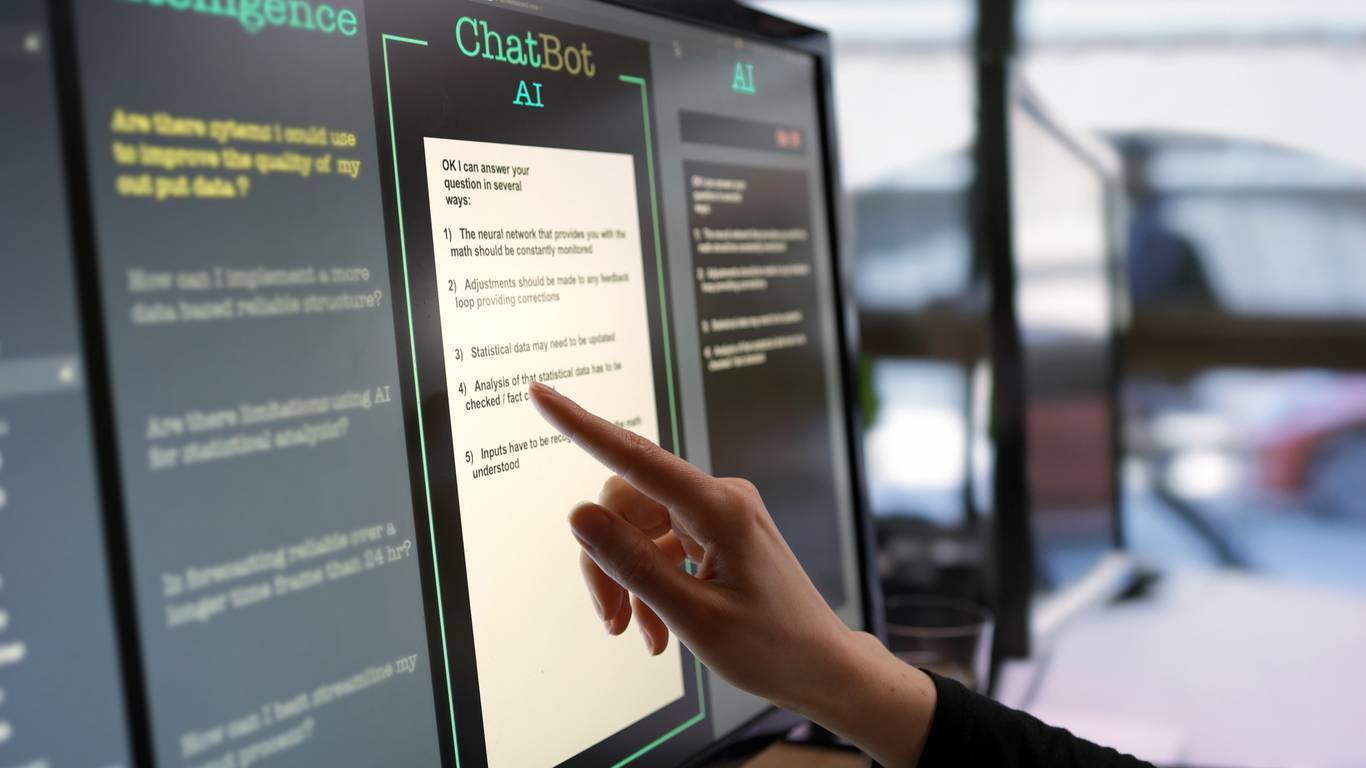
Among the AI systems that will be banned under the proposed EU legislation are biometric categorisation systems that use sensitive characteristics, such as political, religious, philosophical beliefs, sexual orientation, or race.

Artificial Intelligence (AI) has captured the imagination of businesses and consumers around the world. Kerry Group were one of the early companies in the food industry to use AI to calculate and predict the ingredients, flavours, foods and products most likely to match consumer's evolving tastes. Kerry is far from the only company to incorporate AI into its recipe-making. Other food giants, such as Coca-Cola’s Y3000 drink have been developed using AI, intended to evoke the flavours of the year 3000, whatever those might be.
However, the rapid uptake of AI technology at varying levels across nearly all industries and markets, has governments and consumer groups worried about the risks it poses to users’ privacy, safety and security.


Read

Listen

Watch

Play









The Business Hub
Newsletter

News and analysis on business, money and jobs from Munster and beyond by our expert team of business writers.

Lunchtime News
Newsletter
Get a lunch briefing straight to your inbox at noon daily. Also be the first to know with our occasional Breaking News emails.
Revoiced
Newsletter
Had a busy week? Sign up for some of the best reads from the week gone by. Selected just for you.
Most Read
Saturday, October 3, 2026 - 5:00 PM
Saturday, October 3, 2026 - 6:00 PM
Saturday, October 3, 2026 - 1:00 PM