Brian Keegan: Revenue will have to woo firms over IT plans
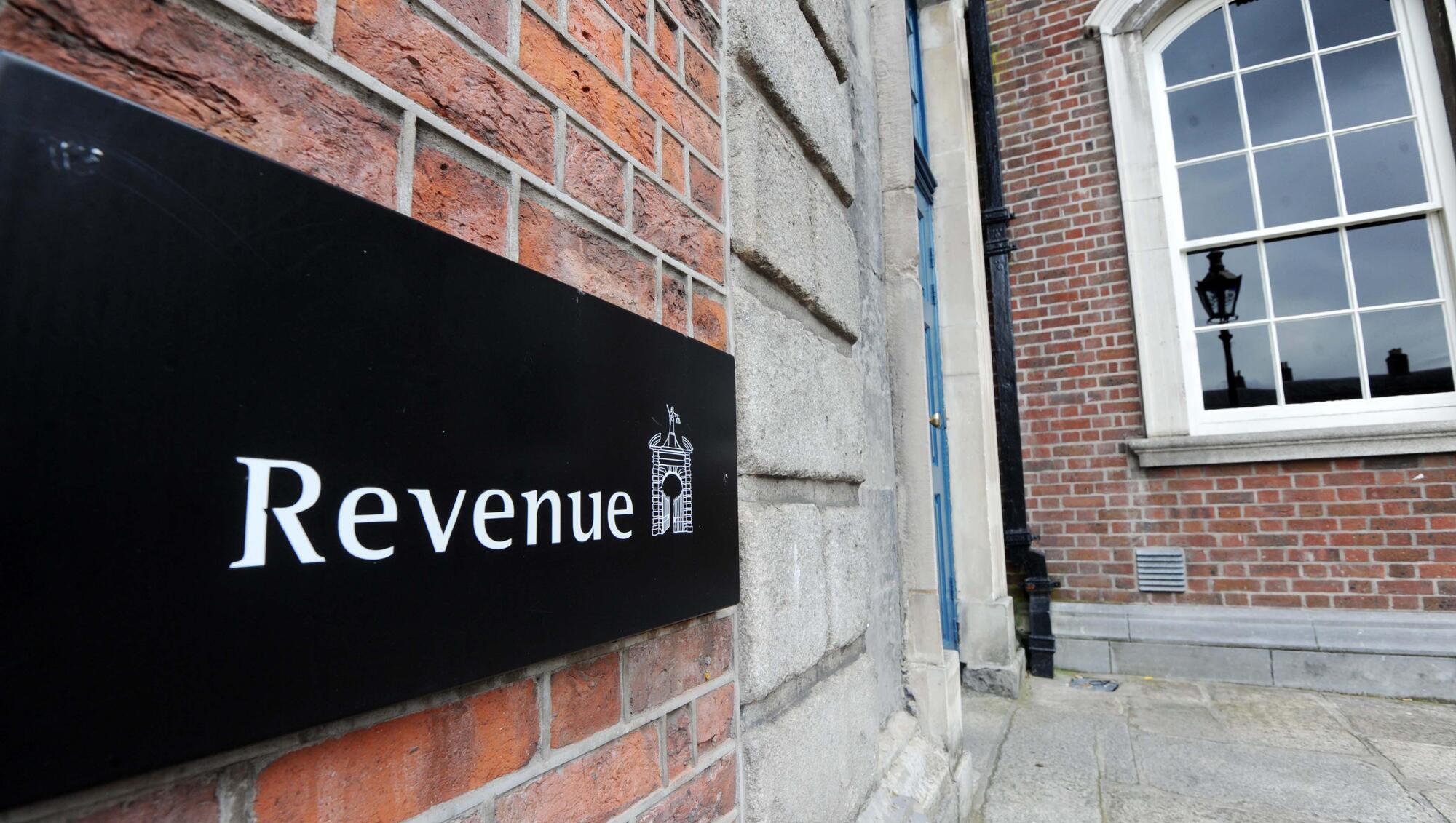
During the pandemic, Revenue managed to secure a constant flow of money to the exchequer, while acting as the bursar of preference for wage and business supports.

We acquired many habits during the pandemic that we will cheerfully relinquish, but some aspects of how we now routinely conduct ourselves — contactless payments, online reservations, and the abandonment of separate documents, tickets, and tokens in favour of the ubiquitous smartphone app will persist. These make our lives easier.
Savvy businesses are gaining market share not necessarily because they are doing anything new, but because they are applying technology to demand less effort from their customers.
Last week the Office of the Revenue Commissioners published its annual report for 2021.
Revenue had, in so far as anyone could claim it, a good pandemic. It managed to secure a constant flow of money to the exchequer, while also acting as the bursar of preference for wage supports and business supports.
Its proposed plans for the next few years, as expressed in the Revenue submission to the Commission on Taxation and Welfare, makes for more interesting reading.
The Revenue plan, which was published alongside the annual report, is in some respects borrowed from thinking of the Organisation for Economic Cooperation and Development on how tax authorities might operate in the future.
It’s widely known that revenue authorities exchange information about the behaviour of their taxpayers when it comes to cross-border activity among themselves.
Less well recognised is the extent of the collaboration and idea sharing between revenue authorities concerning the design and management of their own work processes.
The thinking behind Tax Administration 3.0, as it has been dubbed, is very close to the commercial thinking behind the most successful service providers in the private sector.
It’s about making life easier for the customer but charging the same amount for the service. The private-sector motive is profitability — the public-sector motives perhaps have more to do with accuracy and efficiency.

In broad summary, the Revenue proposals involve a close integration of business computer systems with revenue-collection systems. Integration already commenced under what was known as the PAYE modernisation programme, which started in 2019.
That wasn’t without its own difficulties, as employers had to modify their payroll systems to connect with the new revenue systems. The benefit of this effort, however, became evident during the pandemic as it permitted the PAYE system to be thrown into reverse gear when providing wage subsidies.
The next integration step is to tie together the commercial Vat accounting collection systems and ultimately to link up the accounting software of a business with the Revenue assessment systems so that business profitability can be identified and taxed on the fly.
There will be some pushback to this grand plan. Some revenue authorities worldwide are already going down this route, with varying degrees of success.
In the UK, Vat integration has started but it is not without its problems. Irish Revenue has the advantage of a relatively small cohort of taxpayers to deal with, most of whom are already relatively sophisticated and compliant.
Any large-scale information technology project is fraught with pitfalls and among the biggest threats to Tax Administration 3.0 are taxpayer attitudes.
We cheerfully surrender private matters — details of our location, access to our financial records, and even to our medical records, in exchange for convenience.
Revenue will have to convince the general public, and the business community in particular, that simplifying the day-to-day tax compliance duties will justify the cost and effort involved. That will be at least as important as getting the technology right.
Brian Keegan is director of public policy at Chartered Accountants Ireland