John Whelan: Rising costs set to further challenge Irish exporters this year
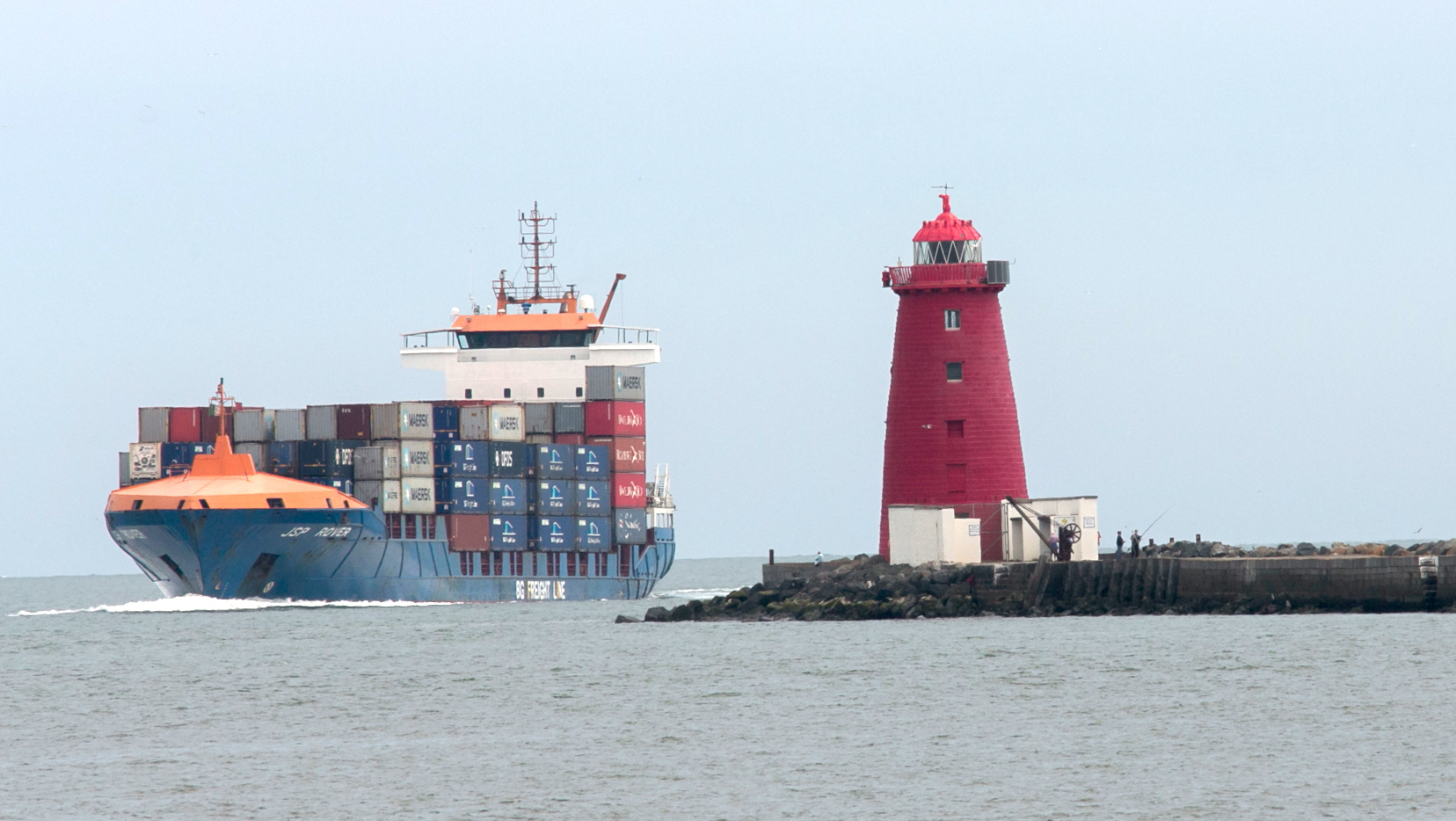
Rising freight and fuel prices are likely to remain a significant concern for exporters during 2022.
We are sitting at the crossroads of three major trends that will drive costs in 2022 — rising freight rates, rolling China lockdowns, and rampant fuel prices — and may derail Ireland’s manufacturing export sector which has been the bedrock of the economy throughout the pandemic.
Prices rose sharply last year for cars, fuel, food, and furniture as consumers responded to Covid lockdown with a spending splurge, aided by vast infusions of government financial and wage supports.

As consumers in Ireland, and across the globe, ramped up spending, supply chains last year were squeezed by a lack of ships to meet the sudden demand, ports log-jammed as workers were Covid quarantined, and air freight capacity was lost as aircraft were grounded with passengers restricted from travelling.
As a consequence, last year ended with a hot inflation tailwind.Â
Some economists say prices will cool off once the supply chain snags are eased, but most now predict that inflation will remain elevated right across the year ahead.
The US inflation rate for the year to December 2021, announced last week, reached a 39-year high of 7%.Â
All the indicators are that US inflationary pressures are likely to last well into the middle of 2022, pushing Federal Reserve chairman Jerome Powell to pledge to do everything necessary to contain the inflation surge, including a series of interest rates increases.
Used car prices have soared more than 56% over the past year because new car production has been limited by shortages of semiconductors, and Brexit has added to the cost of the traditional Irish secondhand car supply.
However, this did not slacken the demand for cars. Neither did double-digit price increases for living room, kitchen and dining room furniture dampen the apparently insatiable demand; products mainly imported from China.Â
All of this consumer product demand has been putting pressure on the shipping routes that Ireland’s exporters need to import critical components in the manufacture of their final product.
Drewry, the global specialist shipping data consultancy, said sea container rates had already increased in January from the highs of last year.
So, for many of our manufacturers who buy a wide range of components from China to keep their factories going, the announcement that the Shanghai to Rotterdam shipping cost has just gone up by €308 per 40-foot box to €11,690, will be bad news; this is 82% higher than the same week last year.
Drewry expects global shipping rates to climb higher in the coming weeks, with consequences for traders both buying and selling on international markets.
The effects of renewed restrictions in China are starting to once again hit supply chains in the region. City-wide lockdowns have already wreaked havoc on manufacturing businesses, snarling up supply chains.
With sailing schedules already facing delays of about a week, freight forwarders are warning of the impact on already back-logged gateways in Europe and the US.
FedEx and UPS have both announced rate increases for January of just under 6%.
Airline cancellations, due to fresh Omicron restrictions, has cut air cargo capacity and disrupted expedited shipping operations, forcing freight forwarders to work last-minute to re-route shipments that fly in the hold area of passenger planes.Â
The pain points are not helped by rising oil prices, which increased by 50% through 2021 and rose again by 8% in January to reach $85 a barrel as of last week.
A global Covid recovery and reduced reliance on mainland China, as well as increased focus on environmental policies that favour renewables, may help to stop the vicious vortex of rising freight rates and oil costs.
However, with no immediate abatement in sight, Ireland’s manufacturers can expect to see their profits depressed and their competitiveness damaged in the year ahead.
- John Whelan is a leading consultant on international trade