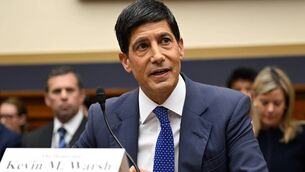
Oliver Mangan: UK rate hikes anticipated as inflation climbs
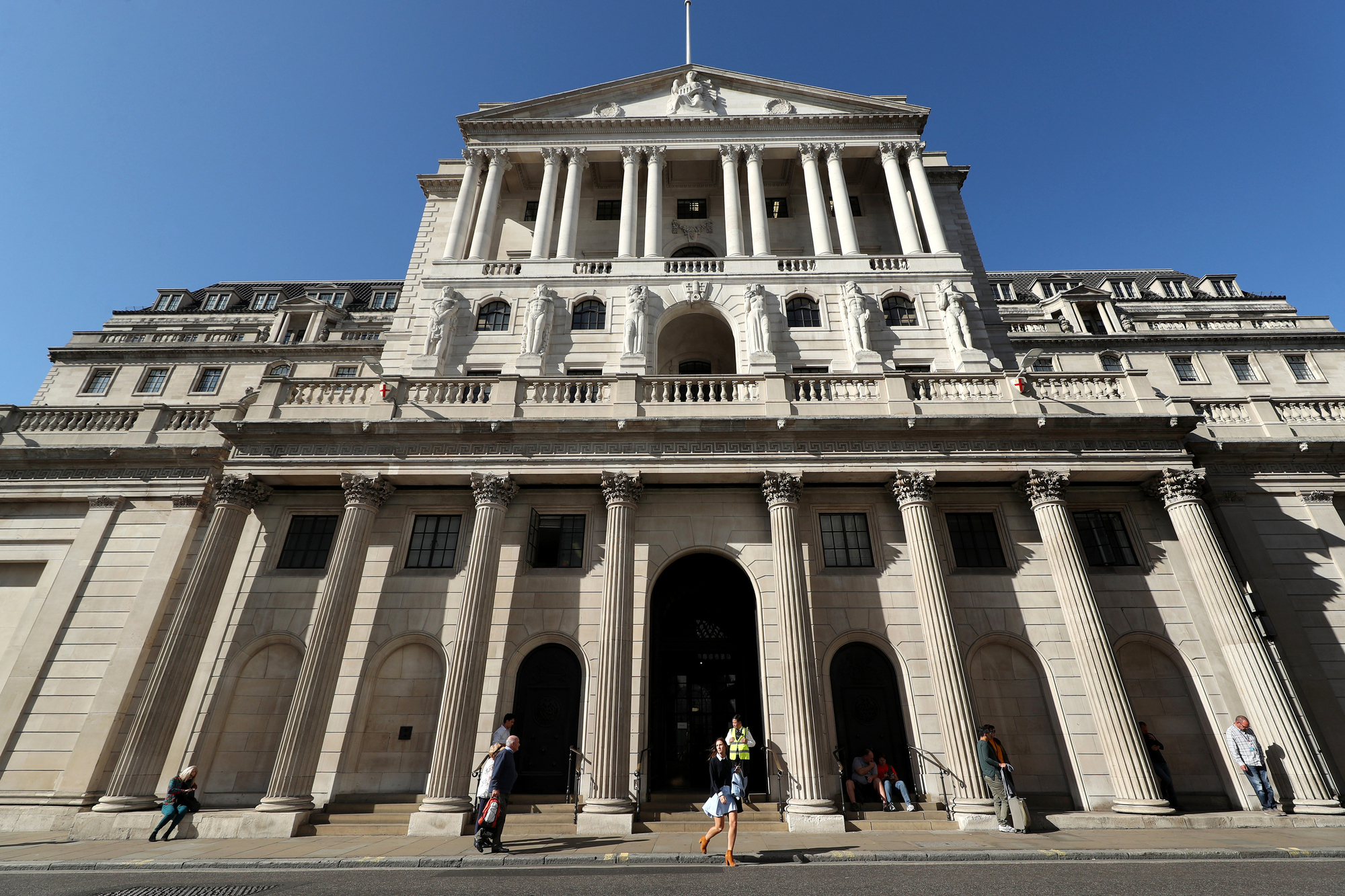
Markets expect the Bank of England to raise interest rates over the next 12 months in the UK, the only major economy likely to do so.
Inflationary pressures continue to mount across the globe as evidenced by spiraling energy costs, as well as growing supply bottlenecks and labour shortages.
Markets have become more volatile as they start to price in monetary tightening by central banks to contain the threat to price stability.
It is noteworthy that the greatest market concerns around inflation would appear to relate to the UK, as reflected in the recent rise in bond yields.
The UK suffered the deepest recession of the major economies as a result of the Covid-19 pandemic, with GDP declining by almost 10% last year. Thus, one would have thought that Britain would be one of the last countries expected to raise rates as the economic recovery gets going.
Far from it, though, as it is the only major economy that markets foresee implementing a series of rate hikes over the course of next year.
The risks to price stability, though, are more acute in the UK than most other countries. Despite the deep recession, the jobs market appears to be tighter than elsewhere. The disruptions to supply chains also seem greater, as evidenced by fuel shortages and concerns around supplies of many goods. There is little doubt that the dislocations to supply chains, trade and labour markets, caused by the pandemic, have been amplified by Brexit.
The response of the British government to the labour shortages is that wages need to rise, rather than relying on immigration, to boost employment. Without an accompanying rise in productivity, though, this could give rise to a wage-price spiral, especially given the disruptions to supply chains.
GDP growth is projected at below 2% from 2023 onwards. The Bank of England expects inflation will have fallen back to around target by then.
Hence, after hikes in 2022-23, markets see UK rates levelling off at around 1% after 2023. Sterling has been remarkably stable, given the different forces buffeting the UK economy. Normally, firming rates should be supportive of a currency.
However, rising inflationary pressures can weigh on a currency. Given the high level of uncertainty, sterling traders have remained on the sidelines.
However, history has shown that sterling is capable of big moves in a short period of time.
- Oliver Mangan is chief economist at AIB