Remote working was a novelty but employers and employees have strong desire to return to offices
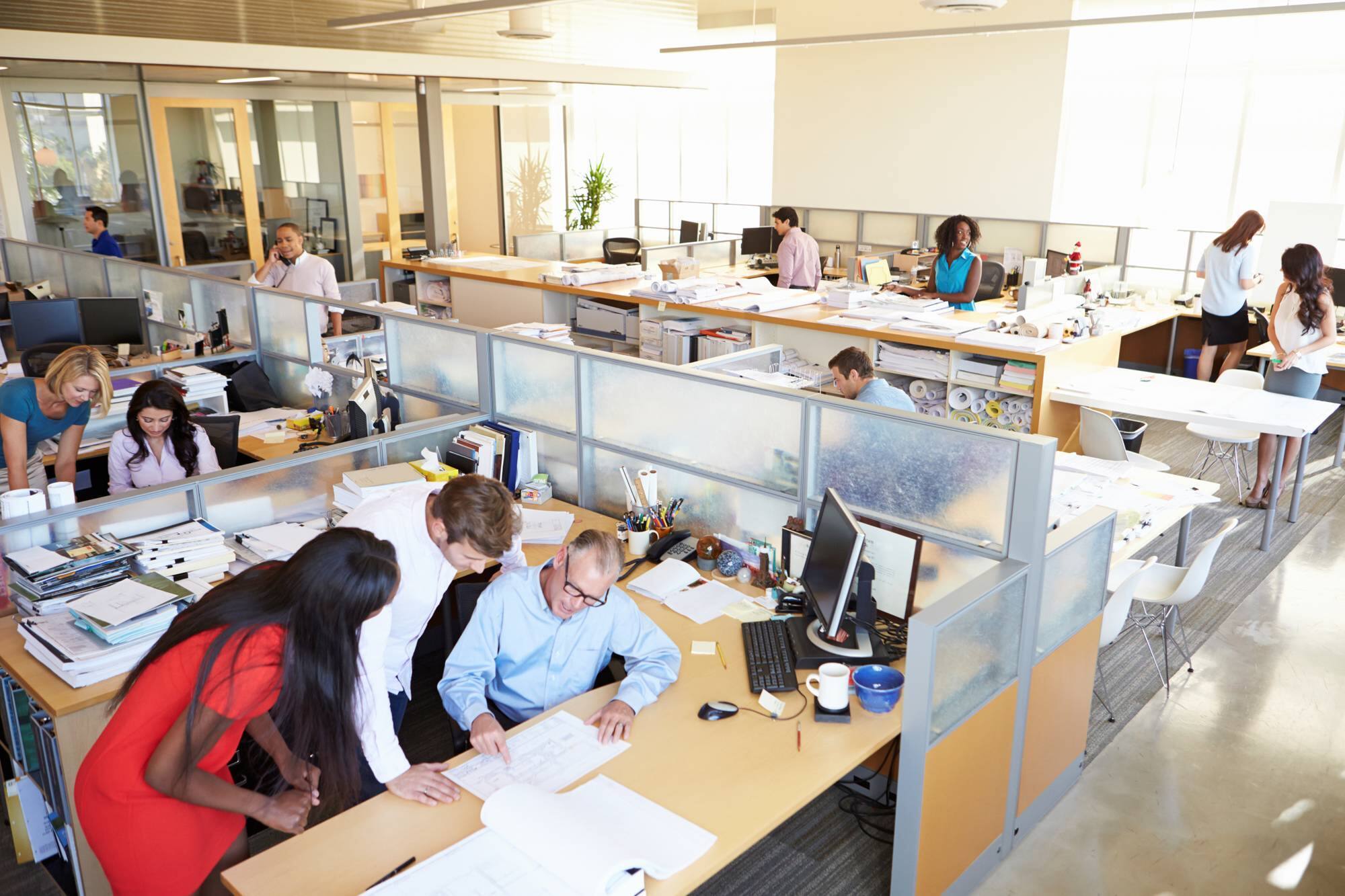
'There will be some for whom working from home will suit and many employers, where possible, are likely to offer some workers a hybrid model'. Picture: iStock
There has been a lot of speculation over the past year suggesting that Covid-19 has fundamentally changed our lives and behaviours and that we will not return to the pre-Covid norms, nor indeed would we want to.
I never believed that this would be the case and I have got a consistent sense in recent months that the first thing people want to do is get back to most of the aspects of their old lives of ‘normality’ as quickly as possible.
I think this is being borne out at the moment, particularly in terms of traffic and shopping behaviour.
Last week I had cause to leave Dublin for the first time since early December; from the moment I left Dublin until I reached Limerick, I was struck by and somewhat surprised by the level of traffic.
Likewise, I go for an early morning walk in Dublin every day, and I have been amazed how much traffic volumes have picked up from 6.30am onwards since the restrictions started to ease.
Indeed, there has also been a rush back to the shops.
Data published last week suggested that footfall on Grafton Street is back to more than 80% of pre-Covid levels.
I guess that if people continue to return to their old behaviours, those vacant building could be replaced by new businesses very quickly, or so I hope.
I also get the strong sense that while remote working was a pleasant novelty in the early months of lockdown, many employers and employees are now sick of it and have a strong desire to return to the physical office as quickly as possible.
Working from home does give rise to social isolation — I should know as I have been doing it for more than a decade.
Furthermore, many people simply do not have the domestic set-up to work from home on a permanent basis.
Of course, there will be some for whom working from home will suit and many employers, where possible, are likely to offer some workers a hybrid model.
There is also the question about the impact that a non-physical presence in the office has on productivity, promotion prospects, and workplace cohesion.
Naturally, only time will answer all of these questions, but one aspect of Covid-related behavioural change I have noticed, and which I hope will outlive the pandemic, is the increased awareness of the importance of supporting local businesses of every variety.
The UK has opened up more quickly than Ireland, and there is strong evidence there that people are returning to offices and shops; that traffic is picking up again; public transport usage has climbed to the highest point since the health crisis began, and that economic activity is rebounding very strongly, particularly retail spending.
I expect the same to happen here.
However, the UK is now becoming more concerned about the Indian variant and there are suggestions that the easing of restrictions may have to be slowed down.
Business leaders warned British prime minister Boris Johnson this week that a fresh package of economic support, including an extension of the furlough scheme (there are still four million workers furloughed), will be required if rising infection rates prevent the further relaxation of restrictions next month.
They speak of the cumulative damage of repeated closures, a phenomenon that Irish businesses can relate to.
Thankfully the vaccine rollout is now facilitating a gradual opening up of the Irish economy and life, and hopefully, we will be able to proceed as planned.
Many businesses will be left with a significant debt legacy on many different fronts and will require ongoing financial support out to the end of the year at least, but these supports will have to be tapered down as turnover recovers.
In relation to the Pandemic Unemployment Payment, this will also have to be tapered down, as there is anecdotal evidence that it is now acting as a disincentive for some people to return to employment.
Lots of interesting challenges ahead that will require strong political leadership, something that has not been terribly abundant in recent months.
- Jim Power is chief economist at Friends First