Brian Keegan: There will be many loose ends to tie up after this pandemic
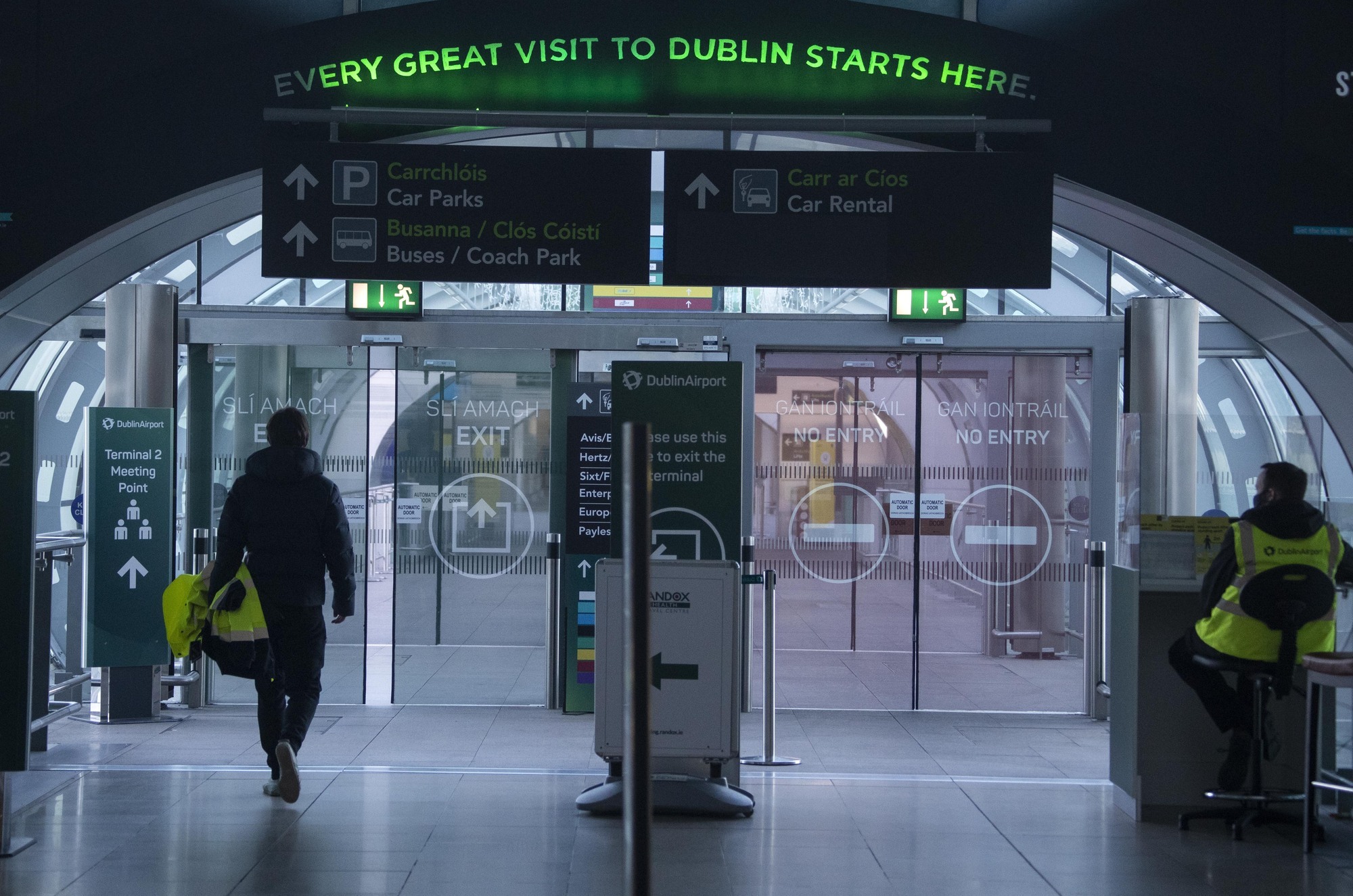
Multinational companies routinely moving employees in and out of this country are well used to dealing with this tax requirement but for many foreign businesses and their workers, this is quite literally uncharted territory. File picture: Colin Keegan
Restrictions imposed on travel in response to the threat of Covid-19 have created pain and disruption on many fronts.
While we all feel the impact of travel restrictions on our personal liberties and our opportunities to visit family and friends, that pain is almost matched by resentment towards those who come into the country from other territories even worse affected by the pandemic than we are.
We now have a new category of incoming traveller — the tax immigrant.
Where people live is a fundamental concept in tax law. It is the basis for deciding which country has the taxing rights on an individual who divides his or her time between two or more countries.
Generally an individual must spend 183 days in the country to fall subject to tax. Where visits are made over consecutive years, other rules apply.
Where an individual divides his or her time between Ireland and another country with which we have a tax treaty, special tiebreak rules operate.
Almost uniquely in the world, Ireland operates what is known as a domicile tax levy. This imposes a minimum charge to tax on those individuals who are native to this country yet pay less than €200,000 per annum in income tax here, despite enjoying frequent stays in Ireland.
While concern over the operation of all these rules has previously been confined to the actions of wealthy tax exiles, coronavirus has created tax immigrants.
These are people who came to Ireland perhaps on a work secondment, perhaps to visit relatives or friends or perhaps even on holiday who can no longer return to their normal place of work because of travel restrictions.
Tax immigrants are accidental taxpayers, people who unwittingly became subject to Irish tax rules.
You might well wonder how someone with a job in Boston or Birmingham or Budapest might fall subject to Irish income tax, but such is the power of the Irish PAYE system that any employee working in Ireland must pay tax under PAYE rules, irrespective of where their employer is located.
Multinational companies routinely moving employees in and out of this country are well used to dealing with this tax requirement but for many foreign businesses and their workers, this is quite literally uncharted territory.
Initially, there was a moratorium on this most extreme imposition of PAYE, because no-one really expected the pandemic to drag on for quite so long. Although the end is now in sight, we will be subject to many restrictions on travel for a long time during 2021.
Yet, if only for pragmatic reasons, an insistence on the application of Irish PAYE where employees of foreign companies become stranded in this country is probably a little excessive.
A declaration of income earned while working here, followed by an assessment on the individual should be sufficient.
Revenue has the wherewithal to enforce the collection of unpaid tax on their behalf by their counterparts in many foreign countries.
There will be many loose ends to tie up after this pandemic. It is an unforeseen consequence that we may now have more tax immigrants than we have tax exiles.
- Dr Brian Keegan is Director of Public Policy at Chartered Accountants Ireland