John Daly: Ignite the flame for successful start-ups in the 'new normal'

Eamon Curtin, director of Ignite, UCC. Pic: Brian Lougheed

These are challenging times for entrepreneurs, and especially those at the fledgling phase of turning a good idea on the drawing board into a commercial reality. For Eamon Curtin, director of Ignite at UCC, passion and enthusiasm of the new generation coming through bodes well for the future.
“It goes without saying that we are all facing significant social and economic challenges at present but the opportunity to work with recent graduates who are smart, resilient, and hard-working makes me very optimistic that we can overcome these and future challenges," he says.
Founded in 2011, Ignite is an initiative to encourage entrepreneurship and enterprise creation. Over the decade it has worked with 140 start-ups and over 175 founders who have launched companies such as AnaBio Technologies, LegitFit, OnTheQT, PunditArena, and Vconnecta.
Based at UCC, the 12-month programme is open to all recent graduates from all third-level institutions in Ireland to work full-time on a scalable start-up idea with potential for commercial or social impact. The programme is funded by Bank of Ireland, Cork City Council, Cork County Council, and the Local Enterprise Offices of Cork city and county.
In the new reality of 2020, however, the programme had to adjust to pandemic restrictions.
“Covid-19 has had a significant impact on Ignite as it has on everything else,” Eamon says of the challenging year to date.
Moving quickly to an online programme when access to UCC’s campus was restricted on March 12, the following week saw the delivery of online workshops, seminars, and guest speakers.
A week later it completed quarterly reviews online and ran a kick-start week for a new cohort and then started work on the spring awards and showcase that were broadcast in late April.
While missing the benefit of face to face interaction, the online nature of the programme has allowed engagement with a wider range of contributors.
"All the start-ups have had to re-evaluate their business propositions and adapt to changed circumstances," Eamon explains. "An important part of developing a strong business is building relationships with prospective customers and this stood to the promoters when it became necessary to reassess the business opportunity.”
Most start-up ideas originate from either a problem experienced by the promoter or a solution developed from areas of study or research, he says.
“We regularly receive applications with ideas in areas such as food and agriculture, business and financial services, and health and wellbeing. More recently, we have seen an increasing interest in the environment and sustainability and in mental health.”
And so the day has arrived, we mark the completion of the 12th IGNITE programme, this evening we will celebrate the achievements of nine start-ups at our virtual Awards & Showcase event - register online: https://t.co/eAb7qU1cEP #igniteshowcase #ignitestartups pic.twitter.com/X32tzrtWd0
— IGNITE UCC (@IGNITEUCC) October 15, 2020
Start-up founders are encouraged and supported through academic programmes with UCC staff such as Dr Gillian Barrett, who directs entrepreneurial business start-ups, and Prof Dave Sammon and Ivan Morrissey and others, who supervise final year projects in business information systems.
In addition, Prof Joe Bogue and Ronan O’Farrell in food business, Dr John Herbert in computer science, Dr Emanuel Popovici in engineering, and Dr Kellie Dean in bioinnovation are similarly influential.
“We are always open to work with industry partners to engage undergraduate and postgraduate students in problem solving challenges with the aim of producing more start-up ideas that are better aligned with market needs and have greater potential to scale.”
Having helped a significant range of businesses emerge successfully over the years has been Ignite’s best advertisement, he says.
Having just launched the 14th programme, it now encompasses 140 start-ups since 2011, amounting to 175 founders and co-founders: “These founders inspire others to follow and provide valuable role models along the way.
"We regularly ask participants if they’d recommend the programme to others, the answer is always yes. And it is very satisfying to see how many new applicants were influenced to apply after reading or speaking with founders who have been on the programme."
The panel of mentors are all accomplished entrepreneurs and business leaders, including Pat Lynch of EviView, Dick Lehane formerly of EMC, Aiden Lee of Eolas International, Colum O’Sullivan of Cully & Sully, Dave Ronayne of Mainport, and Mary Good of American Chamber of Commerce.
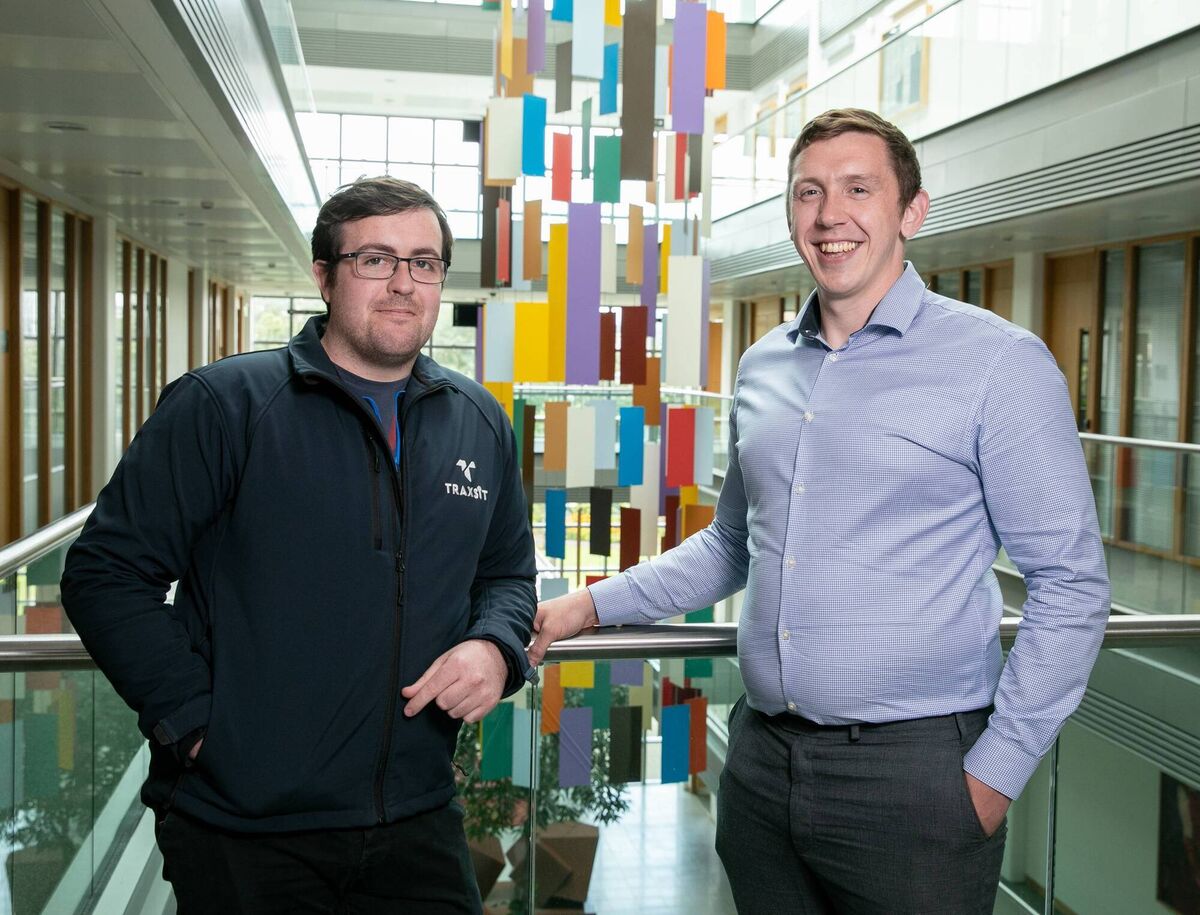
As well as one to one supports, mentors contribute to review panels, business plans and regularly role play situations such as investor and sales meetings.
“They provide valuable advice and guidance on specific challenges as well as providing contacts and facilitating introductions," Eamon says. “It’s just as important that the start-up founder is well prepared so they can take full advantage of the mentor.
"So we work with our founders on how to identify, initiate, and develop good mentor relations.”
While every burgeoning business faces its individual challenges, many share the common need of early investment.
"Recent graduates can go a long way on a relatively small amount of money, but they often don’t have the resources to put this together. Early stage funding such as feasibility and priming grants from the Local Enterprises Offices are welcome but require matching funding.”
As little as €5,000 can be the difference between getting a start-up off the ground and not, he points out: “The programme does provide some early seed funding and we are currently working on developing this area of support.
"The biggest pitfall for early stage founders is focusing too early on product development without first establishing that the problem it solves is a big enough problem for enough customers to support a scalable business. We place a lot of emphasis on this in the early stages of the programme.”
Witnessing ideas become reality through the hard work and innovation of Ignite participants is the reward that continues to inspire Eamon amid this UCC hothouse of commercial ambition.
“It is hugely rewarding to witness the personal development of the individuals over the course of the programme and to see the impact of the businesses both in terms of the products and services they bring to market and the economic benefit for the region," he says.
The reward is further magnified in seeing the growth of an Ignite alumni network, start-up founders who support each other through their shared association: “We view Ignite as a start-up, and we get great satisfaction from working with others to realise the ambitious vision that we have for it, just like any start-up.”