Congestion charges could drive down car emissions
It is interesting to observe the discussion around climate change in this country.
Anecdotally, it appears that much of the attention is getting directed towards food production - and particularly beef production - and a lot less attention is being paid to a much greater culprit, transport.
That is probably because most of us are addicted to our cars and cannot countenance changing our behaviour to use the car less.
As somebody who lives beside a primary school, I am consistently astounded at the numbers dropping off their kids to school by car and I am also constantly amazed by the steady flow of cars around Dublin every day of the week and, indeed, it is the same in the rest of the country.
Government in this country, and elsewhere, gets a lot of criticism about the failure to tackle climate change in a real way, and much of this is justifiable.
However, there has to be an element of personal responsibility applied here.
We all need to start questioning our use of cars and create behaviour where we only use it when absolutely necessary and consider other alternatives such as public transport, walking and cycling.
Car owners, of which there are approximately 2.1 million in Ireland, may respond that having spent so much money on purchasing a car, and particularly the tax element, they are entitled to use them as much as they want to.
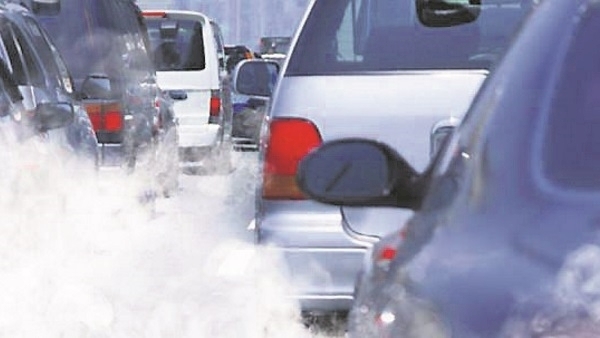
However, there is a broader societal issue, and that is the fact that our car culture is basically poisoning us.
A recent report from the Environmental Protection Agency shows the extent to which public health is at risk due to high levels of nitrogen dioxide in parts of Dublin city.
Traffic emissions are the main cause of nitrogen dioxide in Ireland, along with electricity generation and industry.
A move to total electrification of the transport fleet, which is powered fully by electricity generated from renewable sources such as wind, is obviously what we must aspire to, but that will take many years.
Only a fool could believe that the target for electric vehicles contained in the recently published Climate Action Plan is realistic or achievable in the timeframe laid out.
Meanwhile, we all need to do as much as we possibly can to reduce our usage of cars, until they become much more environmentally friendly.
A congestion charge in Dublin and our larger cities would be a good starting point to change behaviour that is poisoning us all.
Transport is the largest energy-consuming sector in the economy, with a 43% share of final energy consumption and it accounted for almost 20% of our greenhouse gas emissions in 2017.
If Ireland does not address its transport issue, then we have no chance of achieving our EU targets and will pay significant and appropriate fines, and will - of course - fail to fulfil our moral obligations on climate change.
These are challenging times for the motor trade in Ireland and the challenges look set to worsen over the next couple of years.
Since peaking in 2016, new car sales have been declining, while at the same time used imports from the UK have been rising strongly.
While we are selling a declining share of new diesel cars, we are increasing the share of older diesel cars imported from the UK.
It just does not make sense and shows how policy mistakes a decade ago are now coming back to bite us.
The EU is now imposing a new stricter emissions-testing regime for cars, called the Worldwide Harmonised Light Vehicle Test Procedure - or WLTP.
This, effectively, means that many cars will carry a higher official emissions rating and the taxation of such cars will rise.
In Ireland, the Vehicle Registration Tax (VRT) and the road tax already seek to punish those with higher emissions, but we are about to enter into a whole new world entirely.
If the Government here applies the WLTP to our existing VRT system, the average price of a new car could rise by close to €2,500.
In recognition of the damage caused to the motor trade and consumers by such a price increase, the Department of Finance proposed in its Tax Strategy Group papers published last week, a totally new VRT regime that would effectively limit the average price increase to around €750.
One way or another, cars look set to become more expensive and the pressures on all of us to change our behaviour and reduce our car culture dependence look set to intensify.