Unilever row gives hint of true Brexit chaos

I mention the word Republic in case some delusional invoice agent had a brain freeze and thought Ireland was part of the United Kingdom.
That, at least, would explain why a price rise was being attempted.
The near 20% collapse in sterling against the euro this summer fully explains why consumers in Britain are now facing up to inflationary pressures.
Economics 101 explains that when an exchange rate depreciates, particularly in an economy that is a net importer of food, prices go up quickly.
However, none of this should happen here, as the euro has appreciated sharply against sterling.
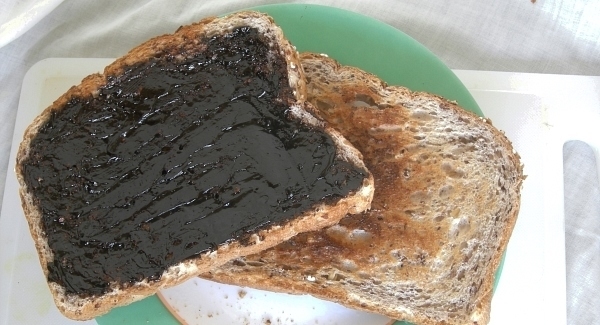
Indeed, food produced in Britain, including the delectable Marmite, should actually fall in price here.
This turbulence in food pricing among some of the world’s largest food producers and retailers is just another example of the collateral damage being caused by the Brexit process.
Uncertainty, opaqueness, and a loss of trust in business relationships are all surfacing, as those engaged in commerce with the UK economy recalibrate their assumptions about working with that marketplace.
It has been a fact for decades that Britain stood as a first world and reliable market in which to trade goods and services.
That underlying assumption created the bedrock on which industrial and financial investors would make large financial commitments to factories and employees in the UK, knowing there was a strong probability they would get a reasonable return on their equity over an extended period.
That set of assumptions no longer holds. Last week’s debate about Brexit in the House of Commons displayed a remarkable amount of division and rancour within the Government and opposition ranks about what Brexit really means.
Not only is there real consideration being given to walking out of the entire EU single market among the political elite in Britain but there is also a callow tone to how that decision is being considered and communicated.
The years of hard work undertaken by politicians and lawyers in the UK and the rest of Europe, backed up by numerous intra-EU agreements, are being coat trailed as valueless commitments that could now be torched in the bonfire of a gigantic Repeal Act.
Unilever and Tesco have done us all a favour. They have provided a small window into the volatility and unpredictability that Brexit can unleash.
This play has yet to have its curtain raised, because Article 50 has not yet been triggered, yet the noise and rancour that can be heard from backstage already is profoundly worrying, not least in Ireland.
It is hard to escape the conclusion that Ireland is the lip service box that has to be ticked as the enormous task of navigating Brexit gets underway.
As sterling’s plummet unfolds, which has a potentially searing effect on the Irish economy, Ireland has barely registered in the debate among the political classes in Britain around economics.
For sure, there are repeated references to Ireland and the UK being neighbours and friends but what friend thinks a violent change in a long-term relationship is a “short term” adjustment?
What friend risks opening a wound — the North — that both of you worked tirelessly over many years to heal?
Friends are able to discuss home truths at the times of greatest sensitivity.
Now, and in the coming months, Ireland and the UK need to have a profound conversation during which a lifetime of experience has to be brought to bear on both sides.