Who are the top dogs among hyenas?
‘And thy desire shall be to thy husband, and he shall rule over thee’, says Genesis. ‘If I be waspish, best beware my sting’, retorts Katherine, in The Taming of the Shrew. The ‘battle of the sexes’ is human, but do other species engage in it?
Male animals fight over territory and for access to females. Their ‘might-is-right’ tactics can carry over into courtship; ’all is fair in love and war’. The stag corrals reluctant hinds into a harem for the rut. A lion, seizing control of a pride, will kill the cubs of his predecessor. The alpha-lioness leads the hunts, but the King of Beasts eats his fill before she and the pride get to dine.
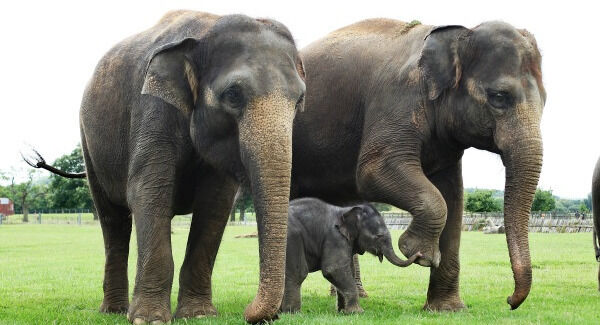
But some females ‘wear the trousers’. Lady spiders don’t suffer fools gladly; a would-be suitor must tread carefully, lest he become his lover’s evening meal. Male phalaropes incubate eggs and rear the chicks, with no help from their partners. The elephant herd is led by a matriarch; would-be studs are allowed one-night-stand visits, but must move on within the month. Baleen whale females are bigger than males, but we don’t know which sex ‘rules the roost’.
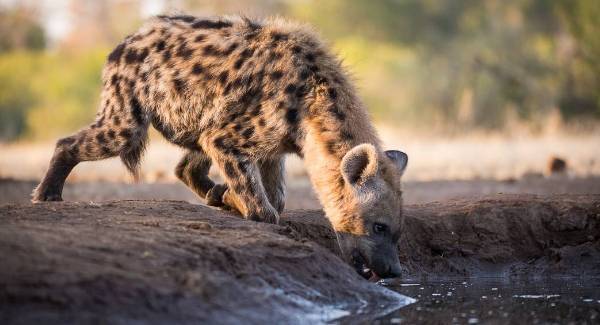
A new study of one of Africa’s most feared carnivores challenges our assumptions about animal sexual politics. Although the spotted hyena is closer genetically to cats, its lifestyle is dog-like. Females can be heavier than males. They even develop ‘pseudo penises’, giving the impression of a preponderance of males. As with mammals generally, young female hyenas remain on in their natal clans, while their brothers disperse, seeking their fortunes elsewhere. But how do immigrant males fare when they join other clans? Can they take the helm?
Scientists, from the Leibniz and Montpellier research institutes, studied hostile encounters between spotted hyenas. They recorded 4,133 such incidents, involving 748 individuals from eight clans, over a 21-year period. While many young bucks remained in a clan, they ‘called the shots’. However, as the native males left the group, and immigrant ones replaced them, the females began to assert themselves and soon became ‘top dogs’. This raises an intriguing question: why can’t newcomers take over the reins from the departing native males?
Eve Davidian, a co-author of the study, told Science Daily that ‘hyena society is highly nepotistic and social support is primarily given to kin’. The crucial factor is not the size and strength of challengers for dominance, but the back-up they can command from their peers.
When two hyenas squabble, the one that can rely on greater social support wins, irrespective of sex, body-mass or aggressiveness
- says Oliver Höner, leader of the Ngorongora Hyena Project.
Females, permanent residents of their clans, develop a network of relatives and friends they can call on. An immigrant male, coming from outside, is a loner. With no ties to members of his adopted clan, he must cow-tow to the resident females.
This seems counter-intuitive. Women generally have rich support networks. Men tend to have fewer close friends and keep their anxieties ‘bottled up’, often with adverse consequences for their health and well-being. If they were hyenas, this vulnerability would sap their confidence during social power-play. Yet most human societies are male-dominated. Do hyenas need an equivalent of the Men’s Shed movement?


CONNECT WITH US TODAY



Be the first to know the latest news and updates