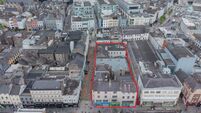
Connemara's first Green councillor: Stop €600m Galway ring road
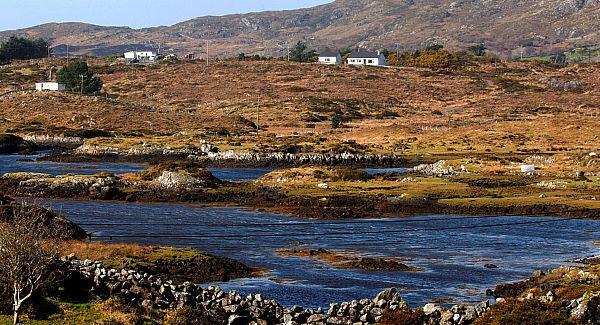
Connemara’s first Green Party councillor Alastair McKinstry believes the Government should abandon the €600m ring road project for Galway in favour of upgrading public transport.
The ring road conflicts with the Government’s declaration of a climate emergency as it will increase carbon dioxide emissions by 37%, said Mr McKinstry, an expert on climate modelling. Galway’s traffic issues could be resolved by reducing car use by 20%, he said after his election to Connemara South.
The NUI Galway physicist also believes any road building budgets should be diverted to protecting the Galway-Connemara coastal route from increased storm surges as a result of the changing climate.
“Increased storms and storm surges and summer droughts are two issues we now have to plan for,” he said.
Mr McKinstry is currently working on a climate change impact study involving Met Éireann and the Marine Institute. Transport Infrastructure Ireland (TII) has confirmed that carbon dioxide emissions in Galway will increase from 26,000 tonnes in the first year of the ring road to 35,800 tonnes by 2039.
The figures from its environmental impact assessment for the project, now before An Bord Pleanála, were recently sent to Independent Galway West TD Catherine Connolly.
However, one of two new Green Party councillors elected to Galway city, Pauline O’Reilly, has stopped short of calling for abandonment of the ring road, while saying her party’s policy is that the State “does not need to build more roads”.
“When it is before An Bord Pleanála, I don’t have influence on that as a city councillor, but I do have a say on public transport which needs improving,” said Ms O’Reilly, adding that the Green Party is also in favour of a feasibility study for light rail for Galway.
Some €30m has already been spent on planning for the ring road, and on a previous outer bypass project, according to TII figures given to Independent TD Noel Grealish. Last autumn, the Cabinet approved a €600m expenditure for the 18km route — at about €30m a kilometre — which involves demolition of 44 houses.


CONNECT WITH US TODAY



Be the first to know the latest news and updates