Busy surgeons get better results, new study shows
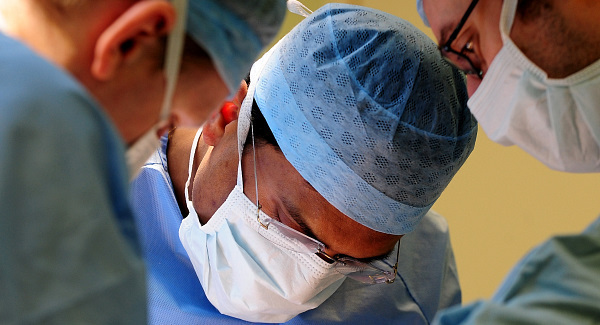
A busy surgeon is the best chance of survival for some emergency patients, a new study shows.
Emergency abdominal surgery patients under the care of high volume surgeons are more likely to survive, according to a comprehensive analysis led by the Royal College of Surgeons in Ireland (RCSI).
The first such study shows that low volume surgical teams had consistently higher mortality for emergency abdominal surgery than high volume surgical teams. Outcomes are poorest for older and frail patients as well as patients from ethnic minorities and lower socioeconomic groups.
The study was undertaken by the Healthcare Outcomes Research Centre at RCSI and the National Clinical Programme in Surgery. It analysed 10,344 emergency abdominal surgeries carried out between 2014 and 2018 across 24 public hospitals.
From the total number of surgeries, 798 patients died in hospital, giving an overall in-hospital mortality rate of 77 per 1,000 patients.
Low volume surgical teams had a higher mortality rate (85.4 deaths/1,000 patients) compared with high volume teams (54.7 deaths/1,000 patients), a difference that persisted among low volume surgeons practising in high volume hospitals.
High volume surgical teams are categorised as those who performed more than 12 procedures a year during the five years of the study and low volume teams performed less than six procedures each year. High volume hospitals performed more than 90 procedures each year and low volume hospitals performed fewer than 50 procedures.
The relationship between hospital or surgeon volume and mortality of patients undergoing emergency abdominal surgery is poorly understood, according to lead author of the study, Deirdre Nally. "This study examines the relationship between hospital volume and surgeon volume and in-hospital mortality.
Improved understanding of this relationship can inform policy decisions regarding the structure of emergency abdominal surgery at regional and national levels.
RCSI President and study co-author Mr Kenneth Mealy said: “This is an important study with implications which need to be considered by the Hospital Groups, HSE, National Clinical Programme in Surgery and at political level”.


CONNECT WITH US TODAY



Be the first to know the latest news and updates